Latest posts
-
Push-Pull-Legs Workout: Complete Beginner’s Guide
Understanding the Push-Pull-Legs Split The push-pull-legs workout split is a popular training method that organizes workouts into three fundamental movement categories: pushing, pulling, and leg exercises. This approach allows individuals to target specific muscle groups while ensuring adequate recovery between sessions. The origin of this workout split can be traced back to the principles of…
-
Upper Body vs Lower Body Workouts: Which Is Better?
Understanding Upper Body Workouts Upper body workouts primarily target the muscle groups of the chest, back, shoulders, and arms. These workouts typically involve a variety of exercises designed to strengthen and develop these specific areas. Engaging in a well-rounded upper body routine not only enhances muscular strength but also supports improved posture and functionality in…
-
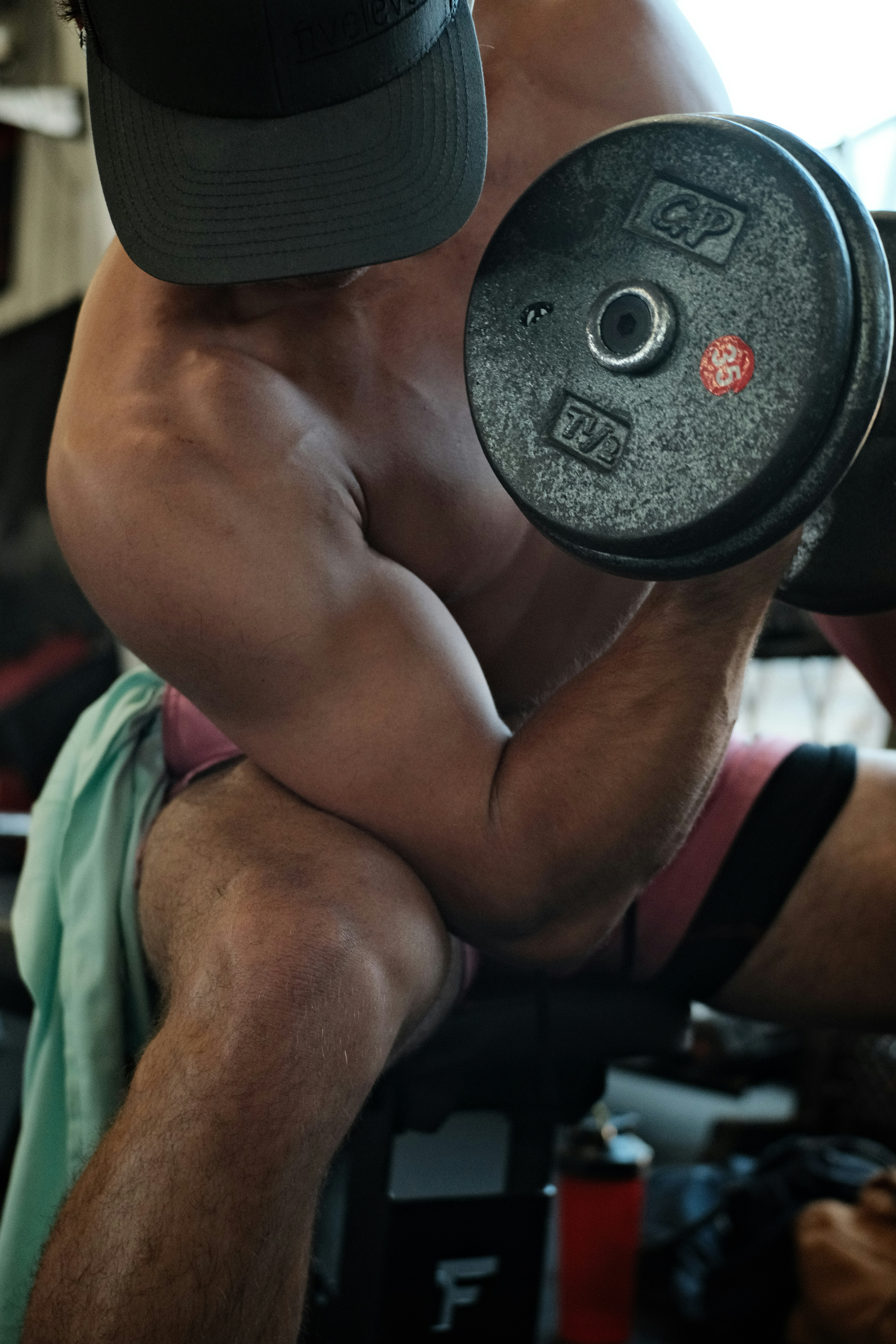
Best Arm Exercises for Bigger Biceps and Triceps
Introduction to Arm Development Well-defined biceps and triceps are not only a hallmark of physical fitness but also serve a significant function in our daily activities. The importance of these muscle groups extends beyond aesthetics; they are fundamental components of overall arm strength. Biceps contribute to the flexion of the elbow and the rotation of…
-
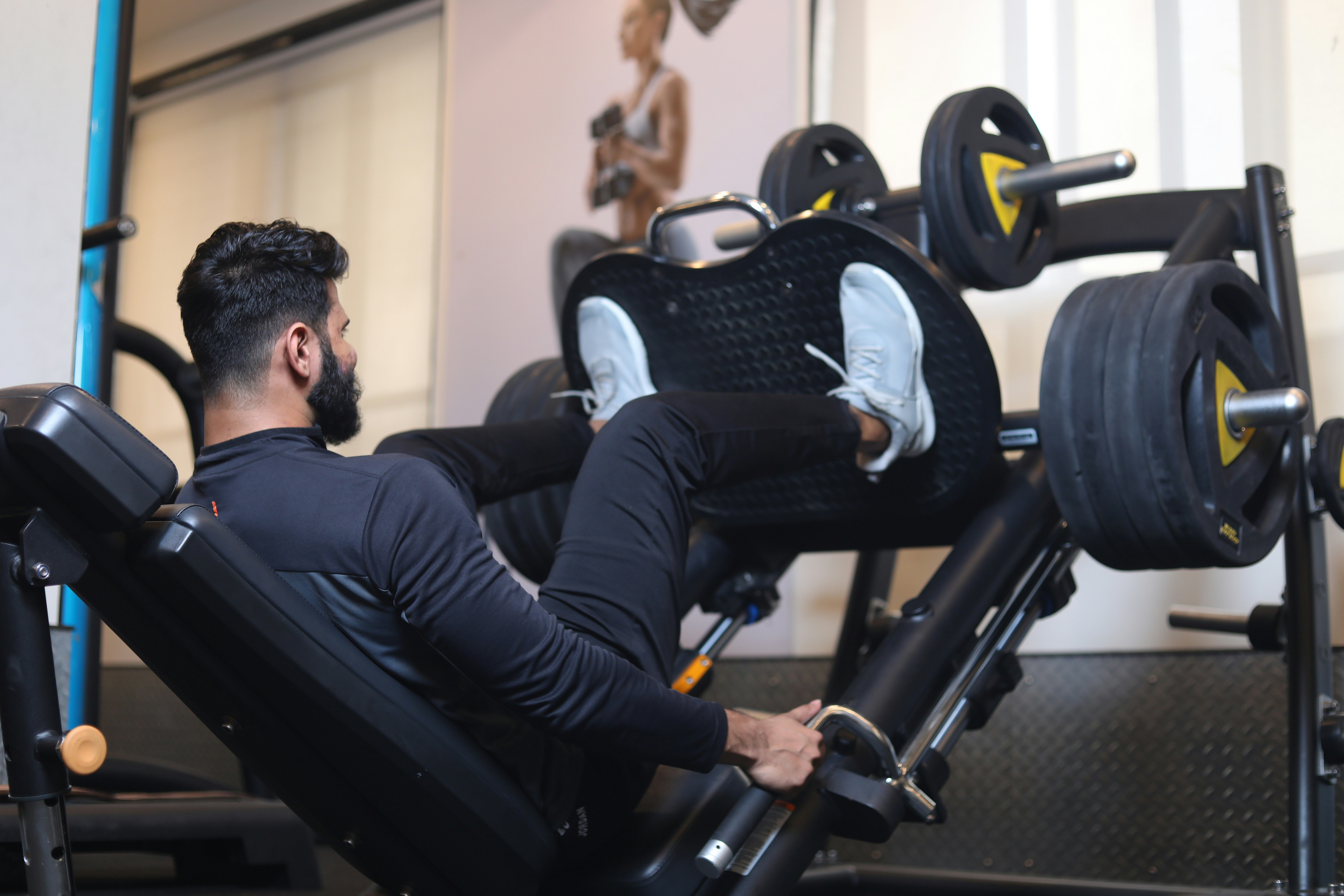
Best Leg Exercises for Strength and Muscle Growth
Understanding the Basics of Leg Muscles The human leg is composed of several crucial muscle groups that significantly contribute to mobility, stability, and overall physical performance. Key muscle groups in the legs include the quadriceps, hamstrings, glutes, and calves, each serving distinct yet interrelated functions. Understanding these muscle groups and their roles can enhance not…
-
Best Shoulder Exercises for Bigger, Stronger Shoulders
Understanding Shoulder Anatomy and Function The shoulder is a complex structure that plays a crucial role in upper body movement and stability. It comprises several key muscles, each contributing uniquely to its function. Among these, the deltoids stand out as the primary muscle group responsible for the shoulder’s shape and mobility. This muscle group is…
-
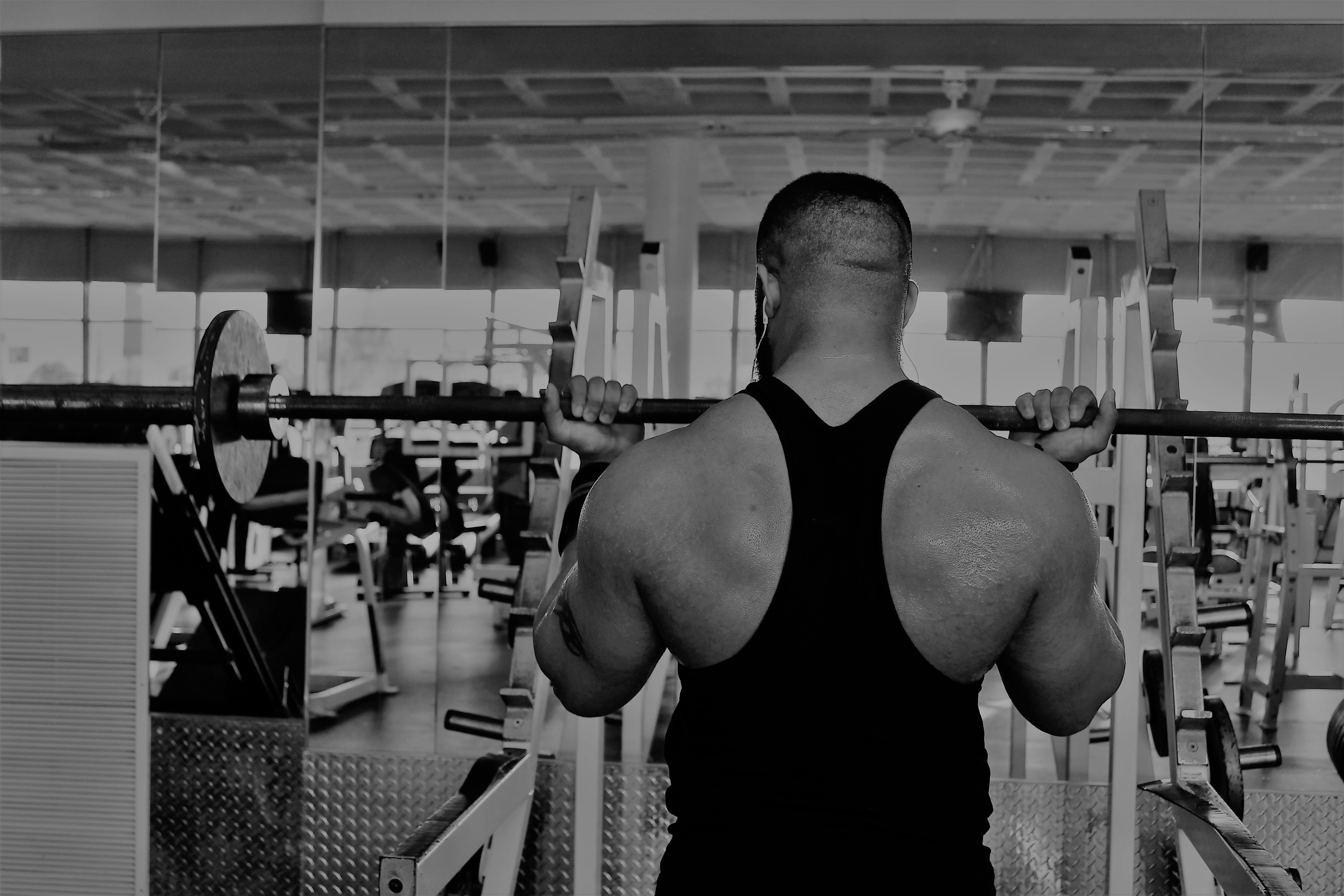
Best Back Exercises for a Stronger and Wider Back
Understanding the Importance of Back Strength A strong and wide back is crucial for a multitude of reasons that extend far beyond aesthetic appeal. It plays a significant role in overall body strength, posture, and functional movement. The back muscles, particularly the latissimus dorsi, rhomboids, and trapezius, support a wide range of daily activities, from…
-
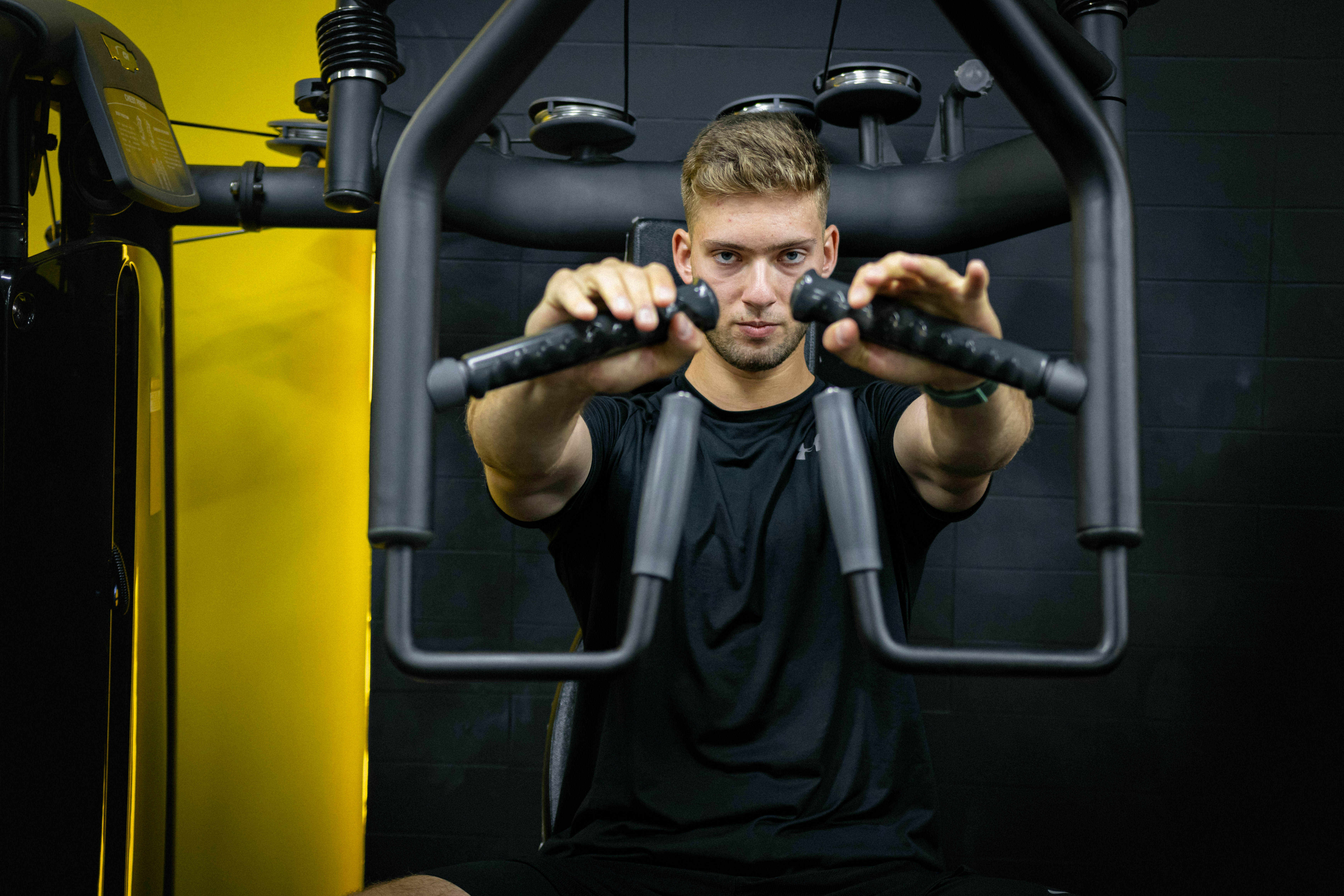
Best Chest Exercises for Building a Bigger Chest
Understanding Chest Anatomy The chest region is primarily comprised of two major muscles: the pectoralis major and the pectoralis minor. Each of these muscle groups plays a significant role in the overall functionality and strength of the upper body. Understanding the anatomy of these muscles is essential for implementing effective chest workouts that promote muscle…
-
10 Best Exercises Everyone Should Include in Their Gym Workout
Understanding the Importance of Full-Body Workouts Incorporating full-body exercises into your gym workout is crucial for achieving optimal fitness outcomes. These exercises engage multiple muscle groups simultaneously, promoting improved strength and muscle coordination. By targeting various areas of the body in a single movement, full-body workouts ensure a balanced approach, which is essential for overall…
-
How Progressive Overload Helps You Build Muscle
Understanding Progressive Overload Progressive overload is a fundamental concept in the realm of muscle building and strength training. This principle revolves around the idea of incrementally increasing the stress placed on the muscles to stimulate growth and adaptation. Essentially, for muscles to grow and strength to improve, they must be continually challenged beyond their current…
-
How Long Does It Take to Build Noticeable Muscle?
Understanding Muscle Growth Basics Muscle growth, scientifically referred to as hypertrophy, is a complex physiological process that involves the increase in size of skeletal muscle fibers. This process occurs as a response to specific stimuli, particularly resistance training. When muscles are subjected to stress during exercise, micro-tears occur within the muscle fibers. The body subsequently…