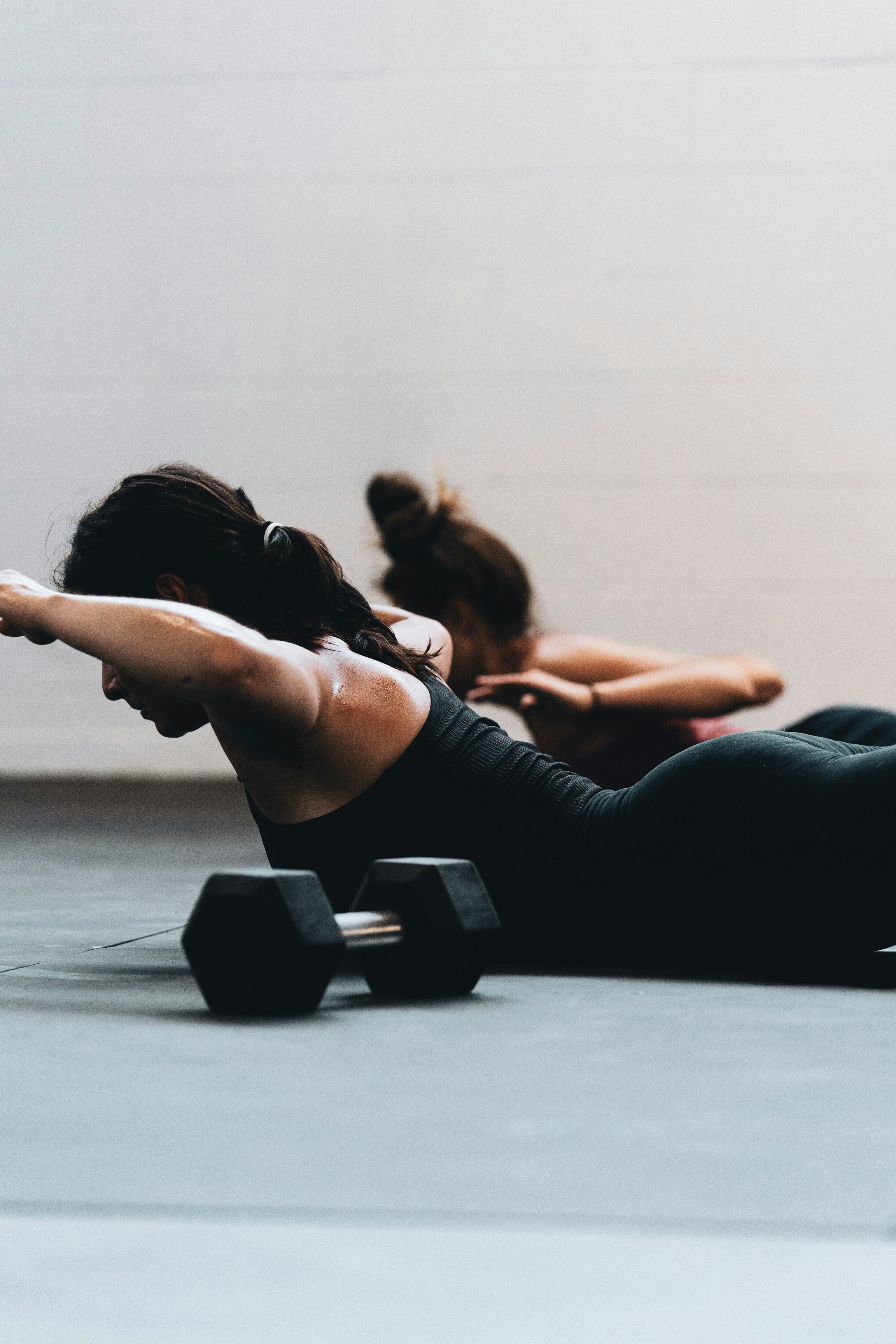
Understanding Upper Body Workouts
Upper body workouts primarily target the muscle groups of the chest, back, shoulders, and arms. These workouts typically involve a variety of exercises designed to strengthen and develop these specific areas. Engaging in a well-rounded upper body routine not only enhances muscular strength but also supports improved posture and functionality in everyday activities.
The chest muscles, including the pectoralis major and minor, are often the focal point of upper body training. Common exercises such as bench presses, push-ups, and chest flies help to target and build strength in this area. Additionally, back workouts, which include movements like rows and pull-ups, are crucial for maintaining balance in the upper body, as they counteract the forward pull often created by chest exercises.
Shoulder strength is often overlooked in many workout routines, but it is essential for overall upper body functionality. Exercises such as overhead presses and lateral raises effectively engage the deltoids. Furthermore, the muscles of the arms, particularly the biceps and triceps, are also key components of upper body strength. Movements like bicep curls and tricep dips are commonly integrated into upper body workouts to ensure comprehensive development of these muscles.
One of the significant advantages of upper body workouts is the enhancement of athletic performance. Many sports require a strong upper body for effective movement and coordination. For instance, swimmers and throwers benefit greatly from rigorous upper body training, which contributes to power and speed. Moreover, consistent engagement in upper body strengthening can lead to improved endurance and stability, not only enhancing athletic capabilities but also making daily activities easier.
Common routines might include a mix of compound and isolation exercises, with a focus on different muscle groups throughout the week. By alternating between exercises and adjusting weights, individuals can continuously challenge their upper body muscles, promoting growth and development. Overall, establishing a balanced upper body workout routine is pivotal for achieving comprehensive fitness and promoting well-being.
Exploring Lower Body Workouts
Lower body workouts focus on the muscles of the legs and glutes, specifically targeting areas such as the quadriceps, hamstrings, calves, and gluteus maximus. These workouts are essential for improving overall strength and functionality, as they engage some of the largest muscle groups in the body. This involvement not only enhances muscle tone but also supports better performance in various physical activities and sports.
One significant advantage of incorporating lower body exercises into a fitness regimen is the enhancement of mobility and stability. Strengthening these muscles can lead to improved balance and coordination, which are crucial for everyday movements as well as athletic performance. For example, activities such as running, jumping, or even walking become easier and more efficient with stronger legs.
Moreover, lower body workouts are effective for burning calories and promoting fat loss. Engaging large muscle groups requires more energy expenditure, resulting in a higher caloric burn compared to workouts that focus on smaller muscle areas. As such, individuals aiming for weight loss or increased metabolism may find lower body training particularly beneficial.
Popular lower body exercises include squats, lunges, deadlifts, and calf raises. Each of these movements can be modified to accommodate various fitness levels and goals. Variations such as sumo squats, Bulgarian split squats, and single-leg deadlifts not only add diversity to the routine but also challenge the body in different ways, promoting continuous improvement.
In conclusion, lower body workouts are foundational for those seeking to enhance their performance, mobility, and overall fitness. By focusing on the key muscles in the legs and glutes, individuals can develop the strength necessary for various daily activities and sports, while also reaping the benefits of a more active and healthy lifestyle.
The Importance of Balance Between Upper and Lower Body Training
Having a balanced workout regimen that integrates both upper and lower body exercises is essential for achieving optimal fitness. Focusing solely on one area can lead to severe imbalances, resulting in injuries and decreased overall performance. Upper body workouts typically engage muscles in the chest, back, shoulders, and arms, while lower body exercises target the legs, glutes, and core. Neglecting one half of the body can create a scenario where the stronger muscles may inadvertently overcompensate for the weaker ones, increasing the risk of disruption in proper movement patterns.
Imbalances between the upper and lower body can contribute to chronic issues such as back pain, joint discomfort, and even postural problems. Therefore, a well-rounded workout plan should incorporate exercises that target both areas, promoting functional fitness and athleticism. Core strength is especially crucial, as it serves as a bridge between the upper and lower body, facilitating effective movement. A strong core can enhance performance in various activities, from lifting weights to participating in sports.
To establish a balanced regimen, individuals should consider structuring their weekly workout schedule to alternate between upper and lower body routines. This approach allows for adequate recovery while ensuring that each muscle group receives attention. Utilizing compound exercises that involve multiple joints and muscle groups can also be beneficial. For example, incorporating movements like deadlifts or squats, which engage the upper body as well as the lower body, can help create a more cohesive workout experience.
In conclusion, maintaining a balance between upper and lower body workouts is critical for preventing injuries and enhancing overall physical performance. By focusing on developing strength and endurance in both areas, individuals can promote a more holistic approach to fitness that supports longevity and resilience in their physical pursuits.
Choosing the Right Workout For Your Goals
When it comes to fitness, selecting the right workout routine is essential for achieving individual goals effectively. Understanding whether to focus on upper body or lower body workouts is a crucial aspect of this decision-making process. Each type of workout offers unique benefits, and the choice largely depends on personal fitness objectives, such as weight loss, muscle gain, or sport-specific training.
If your primary goal is weight loss, integrating both upper and lower body exercises can be advantageous. These workouts promote calorie burning and increase metabolic rate. Engaging in total body workouts allows for enhanced energy expenditure and can lead to significant fat loss over time. On the other hand, if muscle gain is your focus, it is important to consider which muscle groups require more attention. For instance, upper body workouts, including exercises like bench presses and pull-ups, are effective for building strength and muscle size in the arms, chest, and back.
Additionally, existing physical conditions should guide your choice. Those with injuries or limitations in specific areas might benefit from focusing on workouts that avoid strain on affected muscles. A fitness assessment with a professional can help identify any restrictions and recommend a balanced program tailored to individual needs. Personal preferences also play a significant role; some individuals may find that they enjoy upper body workouts more than lower body routines, or vice versa. Enjoyment is crucial as it increases adherence to the workout program.
In conclusion, selecting the right workout requires careful consideration of your fitness goals, personal preferences, and any physical limitations. Consulting with a fitness professional can further assist in tailoring a program that aligns closely with your aspirations and needs, ensuring that you remain motivated and on track towards achieving your fitness objectives.