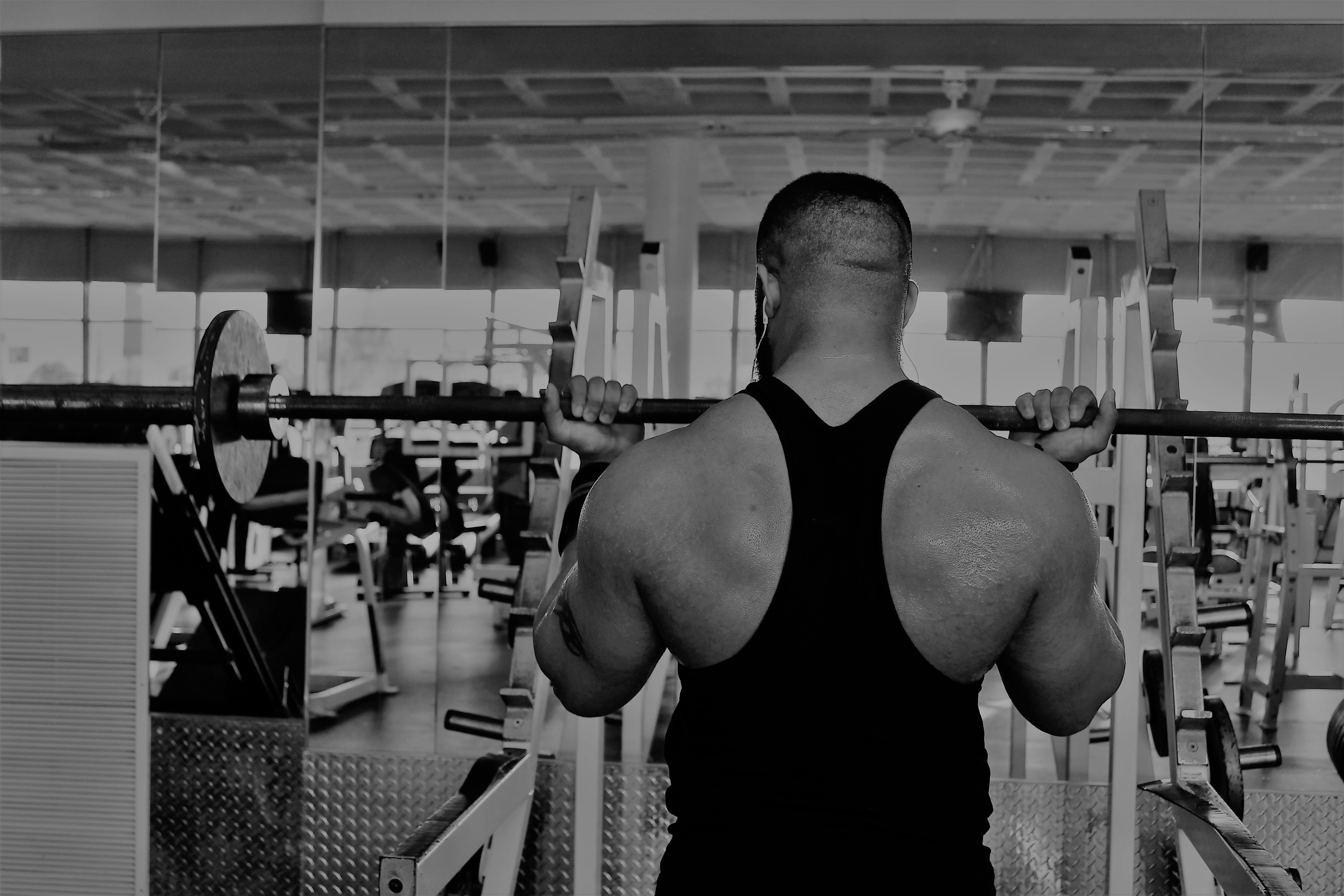
Understanding Shoulder Anatomy and Function
The shoulder is a complex structure that plays a crucial role in upper body movement and stability. It comprises several key muscles, each contributing uniquely to its function. Among these, the deltoids stand out as the primary muscle group responsible for the shoulder’s shape and mobility. This muscle group is divided into three distinct parts: anterior (front), lateral (side), and posterior (rear) deltoids. Each section of the deltoid facilitates specific movements, such as shoulder flexion, abduction, and extension, allowing for a wide range of motion.
In addition to the deltoids, the rotator cuff muscles are vital for shoulder strength and stability. The rotator cuff consists of four muscles: supraspinatus, infraspinatus, teres minor, and subscapularis. These muscles work together to keep the humeral head securely positioned within the shallow socket of the shoulder joint, preventing dislocation during dynamic activities. They also provide the necessary stability and control for a variety of motions, including lifting, throwing, and reaching, enhancing overall upper body functionality.
The trapezius muscle, which spans the upper back and neck, also plays a significant role in shoulder mechanics. It is responsible for elevating and rotating the shoulder blades, thus supporting the arms in various movements. A strong trapezius can enhance shoulder posture, reduce the risk of injury, and improve performance in both resistance training and sports. As such, understanding the interplay of these muscles is essential for those aiming to build stronger, more resilient shoulders. The synergy between the deltoids, rotator cuff, and trapezius ensures that the shoulder complex operates effectively, allowing for optimal performance in daily activities and athletic pursuits.
Top Shoulder Exercises for Strength Development
Building strong shoulders is crucial for overall upper body strength and aesthetics. Various exercises target the shoulder muscles effectively, categorized into compound movements and isolation exercises.
One of the most effective compound exercises is the overhead press. This movement primarily engages the deltoids and the trapezius while also working the triceps and upper chest. The overhead press can be performed with a barbell or dumbbells, allowing for flexibility and variation. Strengthening the shoulders in this manner not only enhances muscle growth but also contributes significantly to functional strength used in daily activities.
Another compound exercise that should not be overlooked is the push press. This variation of the overhead press incorporates the legs for added power and momentum, making it an effective full-body exercise. The push press helps improve shoulder stability and strength, while also elevating heart rate, making it a valuable addition to strength training routines.
For isolation work, lateral raises are highly recommended. This exercise targets the lateral deltoids and helps create width in the shoulders, crucial for achieving the desired shoulder shape. Performing lateral raises with controlled movement not only isolates the muscle effectively but also minimizes the risk of injury, making it a safe option for shoulder development.
Another excellent isolation exercise is the front raise, focusing on the anterior deltoids. This exercise can be performed with dumbbells or a weight plate and is instrumental in building the frontal part of the shoulder. Incorporating front raises into a workout routine can lead to balanced shoulder development.
In addition, the face pull is an excellent exercise for targeting the rear deltoids and upper back. This movement is particularly important as it helps improve posture and strengthens stabilizing muscles around the shoulders. Including face pulls into regular training can greatly enhance shoulder health and functionality.
Each of these exercises, whether compound or isolation, plays a key role in strengthening the shoulders. By integrating a mix of these movements into a workout routine, one can achieve balanced and aesthetically pleasing shoulder development.
Common Mistakes and How to Avoid Them
When it comes to training shoulders, many individuals make common mistakes that can hinder their progress and increase the risk of injury. Understanding these errors is essential for anyone looking to achieve bigger, stronger shoulders. One frequent mistake is improper form. This can manifest in various ways, such as using weights that are too heavy, which often leads to compromised techniques during lifts like the shoulder press or lateral raises. It’s important to prioritize technique over the amount of weight being lifted. To enhance effectiveness, take the time to learn the proper movements and practice with lighter weights before progressing.
Neglecting certain muscle groups is another widespread issue. Many individuals focus excessively on the anterior deltoids while overlooking the lateral and posterior deltoids. This imbalance can lead to shoulder injuries and a less aesthetic appearance. An effective shoulder training routine should incorporate exercises that target all three deltoid heads. Including moves such as face pulls, rear delt flyes, and upright rows can help ensure a comprehensive workout. Rotational movements should also not be underestimated, as they assist in strengthening the rotator cuff, promoting overall shoulder stability.
Inadequate warm-up routines pose another barrier to effective shoulder workouts. Many people skip warming up entirely or do not dedicate enough time to it. A proper warm-up can increase blood flow to the shoulder muscles, making them more pliable and less prone to injury. Incorporate dynamic stretches and mobility exercises that focus on the shoulder range of motion as part of your warm-up. This practice not only aids in preventing injuries but can also enhance your overall performance during the workout.
By being mindful of these common mistakes and implementing preventive measures, individuals can significantly enhance the effectiveness of their shoulder training. A well-rounded approach that includes proper form, balanced muscle engagement, and thorough warm-ups will lay the foundation for stronger, healthier shoulders.
Crafting a Balanced Shoulder Workout Routine
To effectively build larger and stronger shoulders, it is essential to develop a well-rounded workout routine that combines various exercises targeting all major shoulder muscles, including the deltoids, trapezius, and rotator cuff. A balanced shoulder workout typically includes a combination of pressing, raising, and stabilizing movements to promote muscle hypertrophy and strength.
When designing a shoulder workout, consider the volume and frequency of your training sessions. For optimal results, aim for two to three shoulder workouts per week, allowing adequate recovery time between sessions. This schedule enables muscle repair and growth, which is crucial for strength gains. Each workout should ideally include a mix of compound and isolation exercises, such as overhead presses, lateral raises, and front raises, which help target different areas of the shoulders.
In terms of volume, a common approach is to perform three to four sets of each exercise, with a rep range of eight to twelve for hypertrophy, and four to six for strength-focused training. The total number of sets per session should be around nine to twelve for well-rounded development. It is also crucial to incorporate rest periods during your workouts. Typically, rest intervals of 60 to 90 seconds between sets for hypertrophy and 90 to 120 seconds for strength-work can enhance performance and allow you to maintain proper form throughout your exercises.
Progression is key to achieving continued strength gains. As your shoulders become accustomed to the workload, incrementally increase the weight used or the number of repetitions performed. Additionally, vary your exercises every few weeks to prevent plateaus and keep your workouts engaging. Techniques such as supersets or dropsets can also add intensity and stimulate further muscle growth.
By focusing on these principles and strategies, you can effectively craft a balanced shoulder workout routine that promotes strength and muscular development, ultimately helping you achieve your fitness goals.