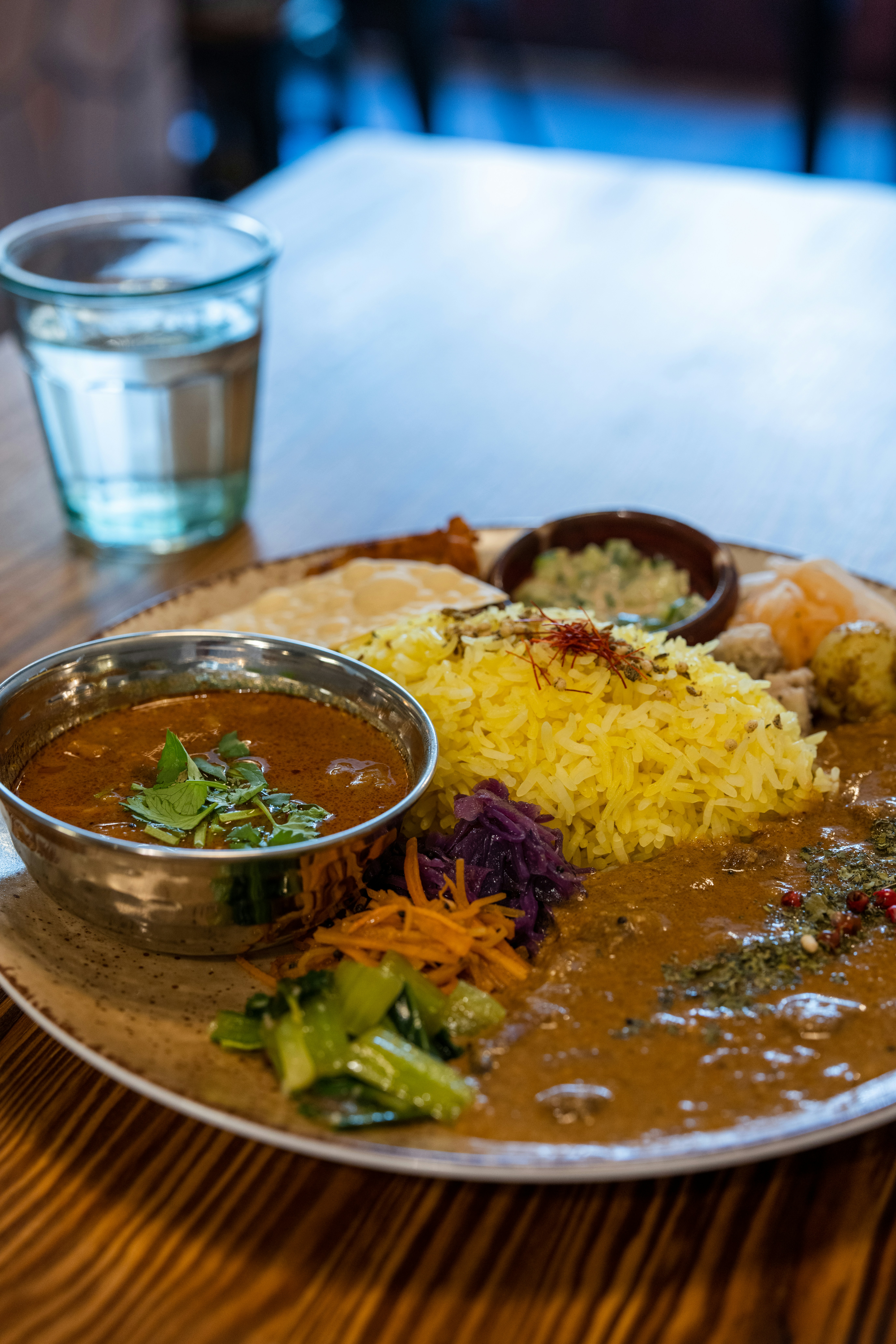
Introduction to Muscle Building Foods
When it comes to building muscle and enhancing strength, diet plays a crucial role in supporting this physiological process. The right combination of nutrients can make a significant difference in one’s ability to recover after workouts and promote overall muscle growth. In particular, the intake of protein, healthy fats, and carbohydrates is vital for anyone looking to increase their muscle mass and performance.
Protein is often referred to as the building block of muscle. Consuming an adequate amount of protein-rich foods is essential for muscle repair and growth, especially after intense physical activity. The body uses protein to rebuild the muscle fibers that are broken down during exercise, ensuring continued improvement in strength and endurance over time. Foods that are high in protein, such as lean meats, legumes, and dairy products, are valuable additions to a muscle-building diet.
Healthy fats also contribute to muscle growth by providing essential fatty acids that help the body in nutrient absorption and hormone production, both of which are crucial for muscle development. Incorporating sources of healthy fats, such as avocados, nuts, and seeds into one’s diet can enhance nutrient intake and support overall health.
Carbohydrates are not to be overlooked, as they provide the necessary energy required for intense workouts. Consuming complex carbohydrates, such as whole grains and fruits, ensures a steady release of energy during physical activity, enabling individuals to train harder and for longer periods. The synergy of protein, healthy fats, and carbohydrates creates a balanced diet that aids in muscle recovery and growth.
In summary, prioritizing the right foods in one’s diet is fundamental for muscle development. As we delve deeper into the world of Indian cuisine, we will identify specific dishes rich in these nutrients, allowing fitness enthusiasts to not only enjoy delicious meals but also effectively support their muscle-building goals.
High-Protein Indian Dishes
Indian cuisine boasts a variety of dishes that are not only flavorful but also rich in protein, which plays a crucial role in muscle repair and growth. Incorporating high-protein foods into your diet is essential for anyone looking to enhance their strength and develop muscle mass. Here, we will explore some of the most notable high-protein Indian dishes.
One of the most popular high-protein dishes is paneer tikka. Paneer, a type of fresh cheese, is an excellent source of protein and calcium. When marinated with spices and grilled, paneer tikka delivers a rich flavor while providing the essential nutrients needed for muscle development. Additionally, the grilling process minimizes the fat content, making it a healthier option.
Another nutritious option is dal, which refers to lentils or pulses cooked in various ways. Dals are a staple in Indian households and offer a substantial amount of protein per serving. They are not only versatile but can also be paired with rice or roti to create a balanced meal. The combination of lentils with rice provides a complete protein source, making it ideal for muscle growth.
Moreover, dishes like chole (chickpea curry) and rajma (kidney bean curry) are excellent alternatives for those seeking plant-based protein sources. Both chickpeas and kidney beans are rich in dietary fiber and essential amino acids. Regular consumption of these legumes promotes muscle health while also contributing to overall body strength.
Furthermore, opting for meals like quinoa upma can enhance your protein intake. This dish combines quinoa, a high-protein grain, with various vegetables and spices, offering not just a delightful taste but also an excellent nutritional profile.
In conclusion, Indian cuisine provides a multitude of high-protein dishes that are essential for muscle growth and strength. From paneer tikka to traditional dals and legume-based meals, these foods contribute significant protein to one’s diet, promoting effective muscle repair and development. By incorporating these dishes into your meal planning, you can effectively support your fitness goals while enjoying the rich flavors of Indian cooking.
Nutrient-Rich Grains and Carbohydrates
Carbohydrates play a crucial role in providing energy necessary for intense workouts and effective recovery. For individuals focused on muscle growth and strength, understanding the types of carbohydrates consumed can significantly impact performance. Traditional Indian grains, which are rich in various nutrients, serve as excellent sources of energy for muscle-building activities.
Among these grains, quinoa stands out as a complete protein source, offering all nine essential amino acids. This grain, often considered a superfood, not only provides necessary carbohydrates for energy but also supports recovery post-exercise. Quinoa can be easily incorporated into various Indian dishes, enhancing their nutritional value while providing a sustained energy release.
Another grain to consider is brown rice. Unlike its white counterpart, brown rice retains its bran and germ, making it richer in fiber and nutrients. It offers complex carbohydrates that release energy gradually, which is ideal for sustaining prolonged physical activities. Moreover, brown rice can be paired with a variety of Indian curries, making it a fulfilling component of a balanced meal.
Whole wheat chapatis, a staple in Indian cuisine, provide an easily digestible source of energy. These unleavened flatbreads are rich in fiber and B-vitamins, essential for muscle repair and growth. Incorporating chapatis into a meal not only satisfies hunger but also fuels workouts effectively, making it a preferred option for those engaged in regular training.
Incorporating these nutrient-rich grains into one’s diet is fundamental for anyone looking to enhance their muscle strength and overall fitness. By providing the required energy for workouts and supporting recovery, grains like quinoa, brown rice, and whole wheat chapatis contribute significantly to one’s muscle-building journey.
Supplements and Indian Foods
In the quest for muscle growth and strength, diet plays a significant role that is often complemented by nutritional supplements. Indian cuisine, rich in diversity and flavor, offers numerous foods that can serve as natural health supplements. Notably, turmeric and ginger stand out as two potent ingredients that not only enhance the taste of meals but significantly contribute to muscle health and overall nutrition.
Turmeric, with its active compound curcumin, is well-known for its anti-inflammatory properties. Incorporating turmeric into daily diets can help mitigate inflammation caused by intense workouts, thereby aiding recovery and promoting muscle growth. Traditionally, turmeric is used in various Indian dishes, including curries and rice preparations. Studies have indicated that curcumin may support strength gains when combined with resistance training, making it an ideal supplement for those aiming to build muscle.
Similarly, ginger is another powerful addition to the Indian culinary repertoire that promotes health. Rich in antioxidants, ginger has been shown to reduce muscle soreness after exercise. Its ability to enhance digestion further contributes to nutrient absorption, ensuring that the body effectively utilizes the proteins and other nutrients necessary for muscle repair and growth. It can easily be integrated into various dishes, from ginger tea to spicy chutneys.
Other Indian foods that act as health supplements include lentils and legumes, which are high in protein and essential amino acids. These foods can complement the benefits of turmeric and ginger, providing a comprehensive nutritional profile for muscle development. By incorporating such foods into regular meals, individuals can enhance their dietary intake and support their fitness goals effectively.
In conclusion, supplementing diet with natural sources like turmeric and ginger, alongside other protein-rich Indian foods, can significantly bolster efforts toward muscle growth and strength. These ingredients not only enhance nutritional value but also support the body during recovery and overall health management.