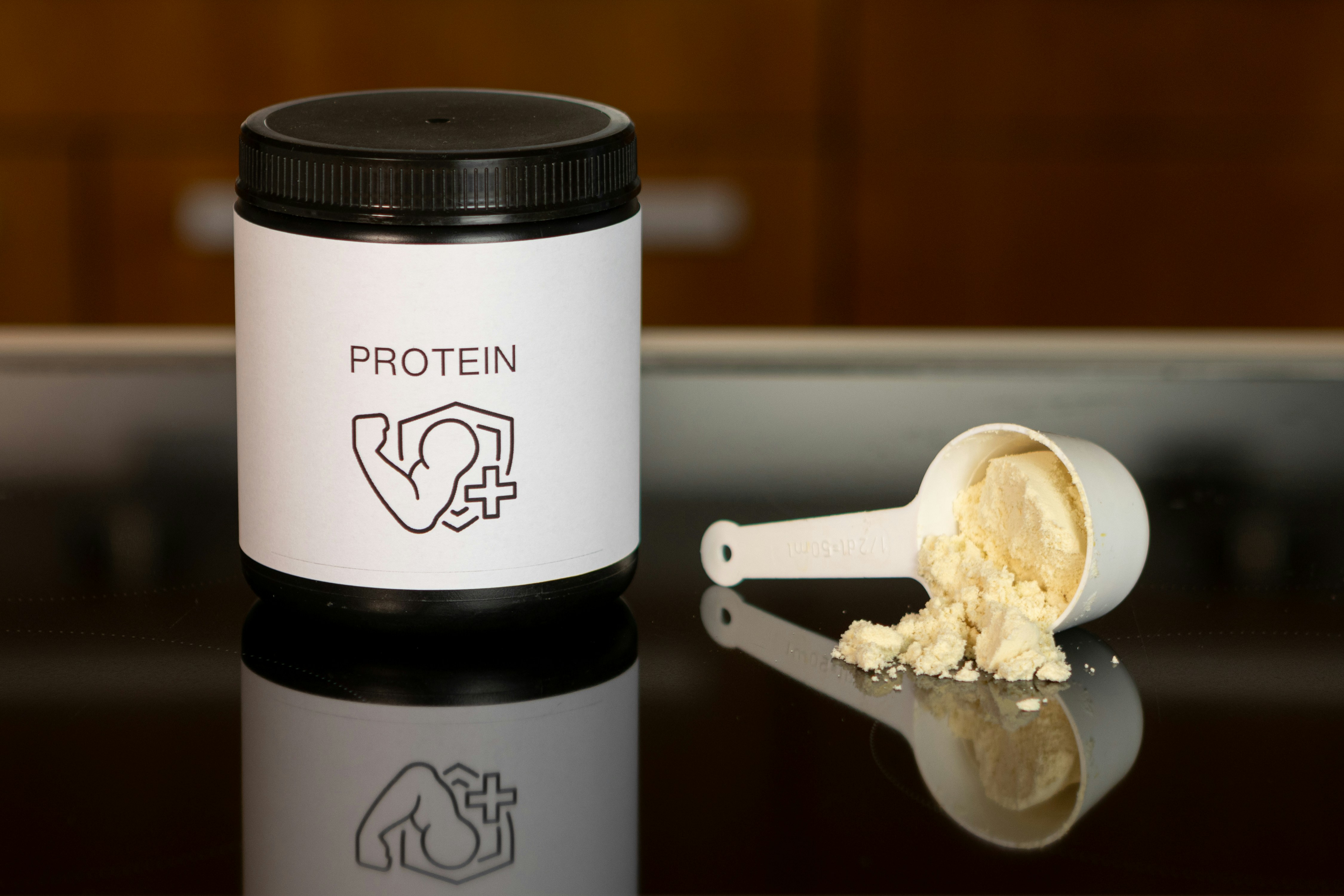
The Role of Protein in Muscle Growth
Protein plays a crucial role in muscle development, acting as a fundamental building block for the body’s tissues. After engaging in exercises such as strength training or resistance workouts, the muscle fibers undergo stress and experience micro-tears. Protein is essential for repairing these damaged fibers, which helps in muscle growth and recovery. This repair process not only enhances muscle size but also improves overall strength and performance.
There are different types of proteins, each serving various biological functions that contribute to muscle building. The two primary types include complete proteins and incomplete proteins. Complete proteins, found in animal products like meat, poultry, fish, eggs, and dairy, contain all nine essential amino acids that the body cannot synthesize on its own. On the other hand, incomplete proteins, which are typically derived from plant sources such as legumes, nuts, and grains, may lack one or more essential amino acids. To optimize muscle growth, it is vital for individuals, especially vegetarians and vegans, to combine various plant-based protein sources to ensure they intake all essential amino acids.
The significance of protein extends beyond merely supporting muscle repair. Adequate protein consumption aids in the prevention of muscle loss during periods of caloric deficit or weight loss. Additionally, protein has a higher thermic effect compared to carbohydrates and fats, meaning that the body burns more calories processing protein, which can assist in maintaining a healthy body composition. Research indicates that individuals aiming for muscle gain may benefit from consuming approximately 1.6 to 2.2 grams of protein per kilogram of body weight daily. This targeted intake of protein encourages optimal muscle protein synthesis, the process of constructing new muscle protein.
In conclusion, understanding the role of protein in muscle growth is vital for anyone engaged in fitness and strength-training activities. Protein not only aids in repairing and building muscle but also plays integral roles in overall health and metabolic functions. Therefore, ensuring an appropriate intake of high-quality protein sources is essential for achieving muscle-building goals efficiently.
Daily Protein Requirements for Muscle Building
The daily protein requirements necessary for muscle building can vary significantly among individuals due to several factors. Age, gender, weight, and activity level play crucial roles in determining the amount of protein one needs to support muscle growth effectively.
Firstly, age is a determining factor; as individuals age, muscle mass tends to decline. Therefore, older adults may need to consume more protein to prevent muscle loss and to maintain strength. Studies suggest that older adults should aim for approximately 1.2 to 2.0 grams of protein per kilogram of body weight daily to promote muscle health.
Gender also influences protein requirements. Generally, men tend to have a higher muscle mass compared to women, which translates to a greater protein need. Men involved in intense physical training may require between 1.6 to 2.2 grams of protein per kilogram of body weight, while women may find their optimal intake to be slightly lower, around 1.2 to 1.6 grams per kilogram based on their activity level.
Additionally, an individual’s weight significantly impacts protein needs. Heavier individuals generally require more protein for muscle synthesis, as adequate intake must support the larger muscle mass present. It is important to calculate protein needs based on lean body mass rather than total body weight for a more accurate measurement.
Activity level is another critical factor. Those engaging in consistent strength training or high-intensity workouts may require upwards of 1.6 to 2.0 grams per kilogram of body weight daily to facilitate muscle repair and growth. In contrast, individuals who lead a sedentary lifestyle might need less, emphasizing quality protein sources in their diet to achieve necessary intake without excessive calories.
Guidelines from various health organizations suggest aiming for a balanced approach that includes adequate protein spread throughout the day to optimize muscle protein synthesis. For individuals focused on muscle building, incorporating a variety of protein sources, such as lean meats, dairy, legumes, and plant-based options, within a structured meal plan can significantly contribute to meeting daily protein needs.
Best Sources of Protein for Muscle Enhancement
Protein plays a crucial role in muscle building and overall fitness, and it can be sourced from a variety of animal and plant-based items. Understanding these sources, their biological value, and amino acid profiles is essential for anyone looking to optimize their muscle-enhancing diet.
Animal-based proteins, such as meat, fish, eggs, and dairy products, generally have a higher biological value compared to plant-based proteins. This means they are more efficiently utilized by the body for muscle synthesis. For instance, chicken breast and lean beef are rich in essential amino acids, making them prime choices for muscle recovery and growth. Similarly, fish, such as salmon and tuna, are excellent sources of protein and offer the added benefits of omega-3 fatty acids, which can aid in muscle inflammation reduction.
Eggs are another superior source of protein, offering a complete amino acid profile, along with nutrients necessary for muscle repair. Dairy products, particularly Greek yogurt and cottage cheese, are also high in protein and provide calcium, which is vital for muscle contractions. Including these animal sources in your diet can dramatically enhance protein intake and muscle-building potential.
On the other hand, plant-based proteins such as legumes, quinoa, nuts, and seeds offer valuable alternatives for those following vegetarian or vegan diets. While they may have a lower biological value, combining different plant proteins can create a complete amino acid profile. For example, rice and beans together provide all essential amino acids needed for muscle synthesis. Other sources, like lentils and chickpeas, are also rich in protein and fiber, promoting satiety and aiding in muscle recovery.
When developing a muscle-building diet, it is essential to diversify protein sources, incorporating both animal and plant options. This not only ensures a complete amino acid profile but also facilitates a well-rounded nutrient intake necessary for overall health and muscle enhancement.
Timing and Distribution of Protein Intake
The timing and distribution of protein intake play a pivotal role in optimizing muscle building and recovery. For individuals engaged in strength training or muscle-building routines, understanding when and how to consume protein can enhance muscle protein synthesis, thereby contributing to better overall results.
Research suggests that spreading protein consumption evenly throughout the day can be more beneficial than consuming large amounts in a single meal. Ideally, dividing protein intake into smaller portions every three to five hours helps to maintain elevated levels of amino acids in the bloodstream. This steady supply can promote continuous muscle repair and growth.
One effective strategy involves consuming a source of protein both before and after workouts. Pre-workout protein can provide the necessary amino acids that may be utilized for energy during exercise, while post-workout protein is crucial for recovery. This post-exercise period, often termed the “anabolic window,” is a critical time for nutrient timing, as muscles are particularly receptive to protein intake, enhancing recovery and growth.
The amount of protein should also be considered. A general recommendation is to aim for 20 to 30 grams of high-quality protein per meal. High-quality protein sources such as lean meats, eggs, dairy, legumes, and plant-based proteins are excellent choices. Additionally, when planning meals, consider incorporating protein-rich snacks or supplements to meet daily requirements and ensure consistent intake throughout the day.
Ultimately, the strategic timing and distribution of protein intake can significantly influence muscle development. By adhering to a consistent schedule and focusing on appropriate meal distributions, individuals can maximize their muscle-building efforts and improve overall athletic performance.