Understanding the Push-Pull-Legs Split
The push-pull-legs workout split is a popular training method that organizes workouts into three fundamental movement categories: pushing, pulling, and leg exercises. This approach allows individuals to target specific muscle groups while ensuring adequate recovery between sessions. The origin of this workout split can be traced back to the principles of exercise physiology, where the focus is on utilizing compound movements that effectively recruit multiple muscle groups and promote overall strength development.
By segmenting workouts into these distinct categories, beginners can easily plan and structure their training routine. The push workout typically includes exercises such as bench presses, overhead presses, and tricep extensions, all of which engage muscles involved in pushing movements. Conversely, the pull workout incorporates exercises like pull-ups, rows, and bicep curls, targeting the muscles responsible for pulling actions. Finally, the leg day focuses on squats, deadlifts, and lunges, engaging the muscles of the lower body. This systematic classification not only simplifies workout planning but also ensures a balanced approach to muscle training.
The benefits of the push-pull-legs split extend beyond just organization. For beginners, this method supports balanced muscle development by allowing sufficient rest for each muscle group. With this split, individuals can train each area more intensively and recover effectively, which is crucial for muscle growth and strength improvement. Additionally, this workout structure minimizes the risk of overtraining and can lead to greater overall performance in various physical activities.
As a result, the push-pull-legs split has gained significant traction among newcomers to strength training. Its versatility allows for customization, catering to different fitness levels and goals. This method not only simplifies workouts but also fosters a comprehensive understanding of fundamental movement patterns, setting a solid foundation for future training endeavors.
Benefits of the Push-Pull-Legs Routine
The push-pull-legs workout routine has gained significant popularity among beginners for a variety of reasons. One of the primary benefits of this approach is its ability to effectively target multiple muscle groups in a structured manner. By categorizing exercises into push movements, pull movements, and legs, individuals can ensure that they engage all major muscle groups throughout their training week. This comprehensive targeting not only enhances muscle development but also contributes to overall strength gains.
Another advantage of the push-pull-legs routine is its flexibility in training frequency. For those new to fitness, it offers the possibility of training three to six times a week, depending on personal schedules and recovery rates. This flexibility allows beginners to tailor their routines according to their individual needs. For instance, someone may opt for a three-day split focusing on push, pull, and leg workouts on separate days, or they might choose to repeat the cycle twice within the week to accelerate their progress.
Additionally, the push-pull-legs format accommodates various fitness levels and goals. Beginners can start with lighter weights and focus on mastering their form, which is crucial for building a solid foundation. As they gain experience and confidence, they can gradually increase the intensity and volume of their workouts. This adaptability makes the push-pull-legs routine an excellent choice for those just starting their fitness journey, allowing them to make steady progress while minimizing the risk of injury. Furthermore, it supports various training objectives, whether they aim to increase muscle mass, improve strength, or enhance overall physique.
In summary, the push-pull-legs workout routine presents numerous benefits for beginners, including its comprehensive muscle engagement, adaptable training frequency, and suitability for diverse fitness levels and goals. This makes it a highly effective strategy for individuals on their path to achieving fitness success.
Sample Push-Pull-Legs Workout Plan
For individuals new to bodybuilding or resistance training, the push-pull-legs (PPL) workout structure offers a comprehensive and balanced approach to strength training. This section outlines a beginner-friendly workout plan that includes specific exercises categorized under push, pull, and legs, making it easier for newcomers to follow while also providing essential guidelines on sets, repetitions, and rest periods.
Push Day
This day targets the muscles involved in pressing movements, such as the chest, shoulders, and triceps. A sample push workout might consist of:
- Bench Press: 3 sets of 8-10 repetitions
- Overhead Dumbbell Press: 3 sets of 10-12 repetitions
- Incline Dumbbell Flyes: 3 sets of 10-12 repetitions
- Tricep Dips: 3 sets of 8-10 repetitions
- Rest: 60-90 seconds between each set
Pull Day
The pull day focuses on the muscles used for pulling motions, engaging the back, biceps, and forearms. A sample pull workout may include:
- Pull-Ups (or Assisted Pull-Ups): 3 sets of 6-8 repetitions
- Barbell Rows: 3 sets of 8-10 repetitions
- Dumbbell Curl: 3 sets of 10-12 repetitions
- Face Pulls: 3 sets of 10-12 repetitions
- Rest: 60-90 seconds between each set
Leg Day
The leg day regimen targets the lower body muscles including quadriceps, hamstrings, and calves. A basic legs workout plan could include:
- Squats: 3 sets of 8-10 repetitions
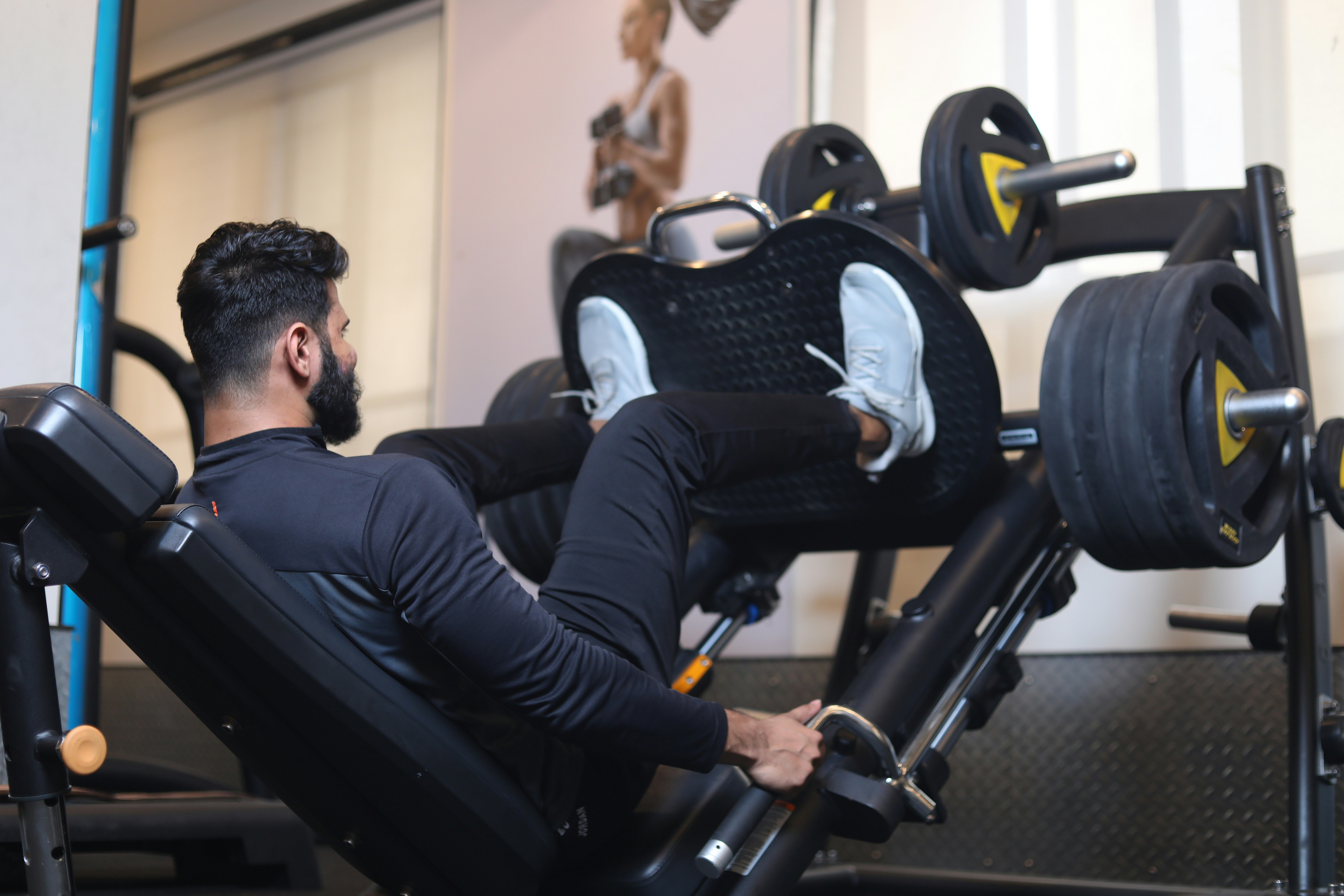
- Leg Press: 3 sets of 10-12 repetitions
- Deadlifts: 3 sets of 8-10 repetitions
- Calf Raises: 3 sets of 12-15 repetitions
- Rest: 60-90 seconds between each set
It is vital for beginners to maintain proper form during each exercise to minimize the risk of injuries. Focusing on technique rather than weights can facilitate better muscle engagement and overall progress. Regularly increasing weights and varying exercises will further enhance workout effectiveness as fitness levels improve.
Tips for Success with Your Push-Pull-Legs Training
Beginning a push-pull-legs training program can be highly beneficial for your fitness journey. However, to maximize the effectiveness of your workouts, consider implementing several essential practices. One critical factor is the importance of warming up before each session. Performing a proper warm-up routine can significantly reduce the risk of injury and prepare your body for the demands of weightlifting. Dynamic stretching and light cardiovascular activities are excellent choices for warming up.
Tracking progress is another vital component of a successful training regimen. Keep a workout journal or use an app to document the weights lifted and the number of repetitions completed. This will not only help you to stay motivated but also provide insights into your strength gains over time. Assessing progress allows you to adjust your workout plan based on your improvements and set new, achievable goals.
Incorporating rest days into your weekly schedule is crucial for recovery and muscle growth. During rest days, your muscles repair and strengthen, which is pivotal for building both strength and endurance. While it might be tempting to work out daily, it is essential to listen to your body and include at least one or two rest days in your routine. This way, you can prevent burnout and overtraining, which can lead to setbacks.
Furthermore, adjusting your training plan according to your individual needs can enhance your results. Each person’s body responds differently to various forms of exercise, so it is essential to tailor your program based on your fitness level and personal goals. This may involve modifying exercises or adjusting the intensity of workouts as you progress.
Lastly, nutrition and hydration play a crucial role in supporting your push-pull-legs training regimen. Consuming a balanced diet rich in proteins, carbohydrates, and fats will provide the energy required for your workouts and aid in recovery. Proper hydration is equally important, as it sustains your energy levels and supports overall performance. Prioritize nutrition and hydration to fuel your body and promote optimal results in your fitness journey.