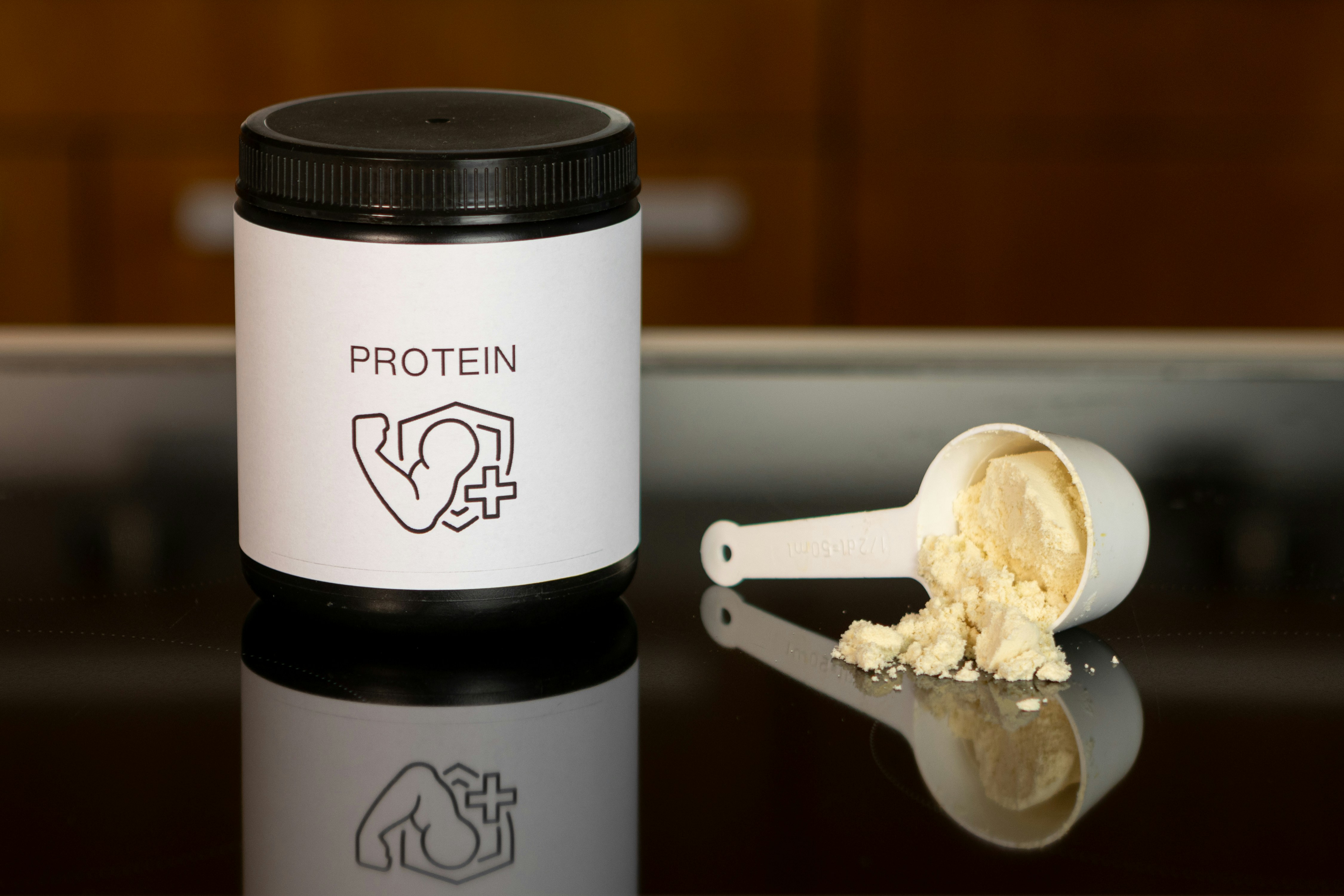
Understanding Muscle Growth and Nutrition
Muscle growth, also known as muscle hypertrophy, is a complex biological process that primarily results from the body’s response to resistance training and nutritional support. When subjected to weight training, muscle fibers sustain microtears, prompting the body to initiate a repair process that results in increased muscle size and strength. This adaptation is heavily influenced by several factors, with nutrition being a pivotal component.
One of the key elements that facilitate muscle growth is protein synthesis. The body must engage in protein synthesis at a rate that exceeds protein breakdown, leading to a net gain in muscle mass. Proteins are composed of amino acids, which are the building blocks necessary for repairing and building muscle tissue. Therefore, consuming an adequate amount of protein is essential for anyone looking to enhance their muscle development.
In addition to proper protein intake, creating a calorie surplus is crucial for muscle growth. A calorie surplus occurs when one consumes more calories than the body expends, providing the excess energy required to support muscle repair and growth processes. It is important to consider not only the quantity of calories consumed but also the quality of those calories. A balanced diet that incorporates healthy carbohydrates, fats, and proteins will support optimal muscle growth.
The macronutrient balance is another vital aspect of muscle development. Carbohydrates serve as the primary energy source during workouts, while dietary fats are important for hormone production and overall health. Therefore, it is essential for individuals interested in gaining muscle to not only focus on protein intake but to maintain an appropriate ratio of carbohydrates and fats to sustain energy levels and encourage recovery.
Ultimately, muscle growth relies on a combination of effective training regimens, adequate protein intake, a calorie surplus, and a well-rounded diet that supports the body’s nutritional needs. Each of these factors plays a significant role in the overall muscle development process.
High-Quality Protein Sources
Protein is a vital macronutrient that plays a crucial role in muscle repair and growth. It comprises amino acids, which are the building blocks necessary for the synthesis of muscle proteins. Among the high-quality protein sources, both animal-based and plant-based options are prevalent, each offering unique benefits.
Animal-based proteins are often regarded as complete proteins because they contain all nine essential amino acids required by the body. Chicken, for example, is an excellent source of lean protein and is widely consumed due to its versatility and relatively low fat content. A standard serving of chicken breast can provide approximately 25 grams of protein, making it an excellent choice for those seeking to increase their protein intake for muscle growth.
Beef is another potent source of protein, rich in essential nutrients such as iron and vitamin B12, both of which are important for energy production and overall health. A three-ounce serving of lean beef typically contains around 22 grams of protein. It is important to choose lean cuts to balance the intake of protein while minimizing saturated fat consumption.
Fish, including salmon and tuna, is also highly beneficial. Salmon is not only packed with protein (about 22 grams per three-ounce serving) but also provides omega-3 fatty acids which have been shown to enhance muscle recovery and reduce inflammation.
On the other hand, plant-based proteins are gaining popularity due to their health benefits and sustainability. Legumes such as lentils and chickpeas are excellent protein sources, offering about 18 grams of protein per cooked cup. They also provide fiber, which supports digestive health. Quinoa, regarded as a superfood, is a complete protein source containing all essential amino acids, and a cup cooked provides approximately 8 grams of protein, making it ideal for vegetarians seeking muscle growth.
Determining the optimal protein intake for muscle growth varies based on individual goals, activity level, and body composition. However, general recommendations suggest that individuals involved in strength training may benefit from a daily protein intake of 1.6 to 2.2 grams per kilogram of body weight. This ensures sufficient amino acids are available for muscle repair and hypertrophy following intense workouts.
Healthy Fats and Their Role in Muscle Development
In the realm of nutrition for muscle growth, the significance of healthy fats cannot be overstated. They play a crucial role in facilitating various bodily functions, especially in the context of developing and maintaining muscle mass. Healthy fats contribute to hormone production, including testosterone, which is essential for muscle development. Additionally, they provide a concentrated source of energy that supports strenuous workouts and overall physical performance.
Sources of healthy fats are diverse and can be easily integrated into most diets. Foods such as avocados, nuts, and olive oil are excellent options. Avocados, for instance, are rich in monounsaturated fats, which not only support heart health but also assist in hormone regulation. This makes avocados a great addition to a diet aimed at boosting muscle growth.
Nuts, like almonds, walnuts, and cashews, provide a combination of healthy fats, protein, and fiber, making them ideal snacks for muscle development. They offer the necessary energy to sustain intense exercise sessions while contributing to overall calorie intake essential for muscle gain. Moreover, the omega-3 fatty acids found in walnuts can help reduce inflammation, promoting recovery after workouts.
Furthermore, olive oil is highly regarded for its health benefits, including anti-inflammatory properties. It can be used in cooking or as a salad dressing, enhancing the flavor of dishes while providing the healthy fats necessary for muscle growth. Including a variety of these sources in daily meals can ensure adequate fat intake and support the complex physiological processes involved in muscle development.
In conclusion, healthy fats are an integral part of a diet optimized for muscle growth. Their contribution to hormone production and energy levels cannot be overlooked. By incorporating foods rich in healthy fats, one can effectively support their muscle-building efforts, leading to improved performance and results in training programs.
Carbohydrates for Energy and Recovery
Carbohydrates play a crucial role in fueling physical activity and supporting overall muscle growth. For individuals engaging in intense workouts, it is imperative to consume adequate amounts of carbohydrates to ensure that the body has sufficient energy both during and after exercise. Carbohydrates come in two primary forms: simple and complex, with complex carbohydrates being particularly beneficial for sustained energy release.
Complex carbohydrates, found in whole grains, fruits, and vegetables, are digested more slowly than their simple counterparts, providing a steady source of energy for prolonged periods. This sustained energy release is essential during workouts that can last from an hour to several hours, particularly in endurance sports or high-intensity training sessions. Foods such as brown rice, quinoa, oats, sweet potatoes, and various legumes deliver not only energy but also essential nutrients that contribute to muscle repair and growth.
After a workout, replenishing glycogen stores is essential for recovery. Glycogen, the storage form of glucose in the body, is depleted during exercise. Consuming complex carbohydrates post-exercise helps to restore glycogen levels, which is vital for optimal recovery and preparation for future workouts. Moreover, when paired with protein, carbohydrates enhance muscle recovery by stimulating insulin release, which facilitates nutrient transport into muscle cells.
Fruits and vegetables are particularly valuable for their carbohydrate content and additional vitamins, minerals, and antioxidants. Bananas, for example, are a great source of carbohydrates and are often favored by athletes for their potassium content, which is important in preventing muscle cramps. Incorporating a balanced intake of various sources of complex carbohydrates not only fuels workouts but also promotes overall health, enhances recovery, and ultimately supports muscle growth.