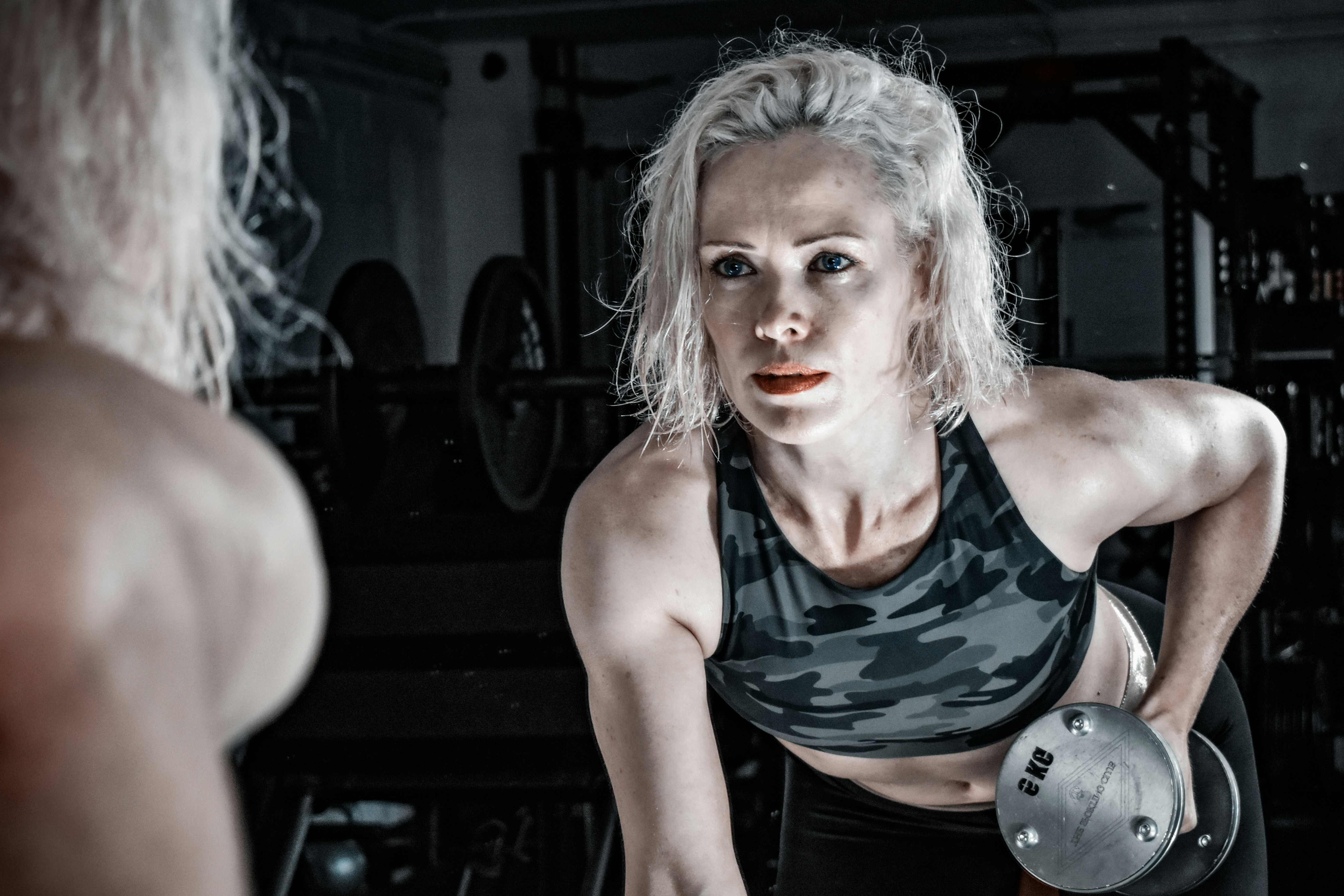
Understanding Muscle Building
To grasp the concept of muscle building, it is essential to understand the processes involved in muscle growth. Muscle hypertrophy, the scientific term for muscle growth, occurs when muscle fibers sustain damage during strength training exercises. This damage triggers a repair process wherein the body rebuilds the muscle fibers, making them thicker and stronger than before. This adaptation is crucial for women beginners aiming to increase their strength and overall fitness.
Strength training is vital for women not only for aesthetic purposes but also for enhancing functional strength. Engaging in regular resistance exercises helps to increase muscle mass, which in turn contributes to a higher resting metabolic rate. A higher metabolism allows the body to burn more calories even at rest, beneficial for weight management. Another fundamental aspect of muscle growth is the intake of protein. Proteins are the building blocks of muscle tissue, and adequate intake is necessary to support recovery and growth after workouts.
Women often have misconceptions about strength training, worrying that lifting weights may lead to bulky physiques. However, the reality is different; strength training results in a toned appearance by enhancing muscle definition without necessarily increasing volume significantly. This is due to lower testosterone levels in women compared to men, leading to different muscular developments.
Furthermore, engaging in a solid strength training regimen can improve bones’ health, reduce the risk of injury, and aid in managing various health issues, such as osteoporosis. As women incorporate strength training into their fitness routines, they discover a range of benefits, including improved mental health, increased bone density, and enhanced overall well-being.
In conclusion, understanding the fundamentals of muscle building, including muscle hypertrophy, the crucial role of protein intake, and the positive impact on metabolism, empowers women beginners to embrace strength training as a pivotal aspect of their health and fitness journey.
Key Components of a Beginner Workout Plan
Creating an effective muscle-building workout plan for women beginners involves careful consideration of several essential components. A well-structured workout regimen is vital to ensure safety, promote muscle growth, and maintain motivation throughout the fitness journey. Below, we outline the key elements that should be included in this type of plan.
Firstly, the *types of exercises* selected are paramount. A balanced approach that includes both strength training and cardiovascular activities is recommended. For building muscle, prioritize compound movements such as squats, deadlifts, push-ups, and bench presses. These exercises engage multiple muscle groups, making them efficient for women at the beginner level. Furthermore, incorporating isolation exercises like bicep curls and tricep extensions can help target specific muscles and complement the overall strength-building process.
Next, determining the recommended *frequency and duration of workouts* is crucial. Beginners should aim for at least three to four strength training sessions per week, with each session lasting approximately 45 to 60 minutes. This allows sufficient recovery time between workouts while promoting consistent muscle engagement. Additionally, it may be beneficial to incorporate cardiovascular activities, such as jogging, cycling, or swimming, on alternate days to enhance heart health and support overall fitness goals.
Finally, the integration of proper *rest and recovery* is an often-overlooked component in many beginner workout plans. Allowing muscles adequate time to repair and grow after workouts is essential for building strength and preventing injury. A proper workout schedule should include at least one or two rest days per week, which can be adjusted based on individual recovery needs.
In conclusion, a well-rounded beginner workout plan for women focused on muscle building emphasizes the selection of effective exercises, appropriate workout frequency and duration, and the importance of recovery. By adhering to these key components, beginners can achieve their fitness goals safely and effectively.
Sample Beginner Muscle-Building Workout Routine
For women who are new to muscle building, creating a structured and effective workout routine is essential for achieving desired results. Below is a detailed sample workout plan designed specifically for beginners. This routine focuses on exercising all major muscle groups while ensuring proper form and safety.
Each workout session should begin with a warm-up of 5 to 10 minutes of light cardio, such as brisk walking or cycling, to prepare the muscles for the work ahead. After the warm-up, the following exercises can be performed on non-consecutive days, aiming for two to three times per week. Each workout consists of exercises targeting different muscle groups.
1. Squats: 3 sets of 10-12 reps. Stand with feet shoulder-width apart, descend by bending the knees while keeping the chest lifted. Ensure knees do not go beyond the toes and squeeze the glutes as you rise.
2. Push-Ups: 3 sets of 8-10 reps. Begin in a plank position with hands slightly wider than shoulder-width. Keep the body straight as you lower yourself to the ground, then push back to start. Modify by performing on the knees if necessary.
3. Bent-Over Dumbbell Rows: 3 sets of 10-12 reps. With a dumbbell in each hand, bend forward slightly at the hips while maintaining a flat back. Pull the weights towards the hips while squeezing the shoulder blades together.
4. Lunges: 3 sets of 10 reps per leg. Step forward with one leg, lowering until both knees are bent at a 90-degree angle. Push back to starting position and alternate legs.
5. Plank: 3 sets of 20-30 seconds. Lie face down, then lift the body on forearms and toes, keeping a straight line from head to heels. Engage the core and avoid sagging hips.
It is crucial to focus on maintaining proper form throughout each exercise. Women beginners should prioritize quality over quantity to avoid injuries and ensure muscle engagement. Additionally, taking adequate rest between sets (about 30-60 seconds) is beneficial as the body adapts to the new routine. Incorporating this sample workout regimen into a fitness program can yield effective results in building strength and muscle for women starting their fitness journey. Always consider consulting with a fitness professional for tailored advice and guidance.
Nutrition Tips for Muscle Building
Nutrition plays a vital role in any effective muscle-building workout plan, particularly for women beginners. Proper dietary intake not only fuels workouts but also supports recovery and enhances muscle growth. Understanding the composition of macronutrients is essential for achieving these goals. A balanced distribution of proteins, carbohydrates, and fats can significantly impact muscle development and overall health.
For muscle growth, protein is the cornerstone macronutrient. It is recommended that women aiming to build muscle should consume approximately 1.6 to 2.2 grams of protein per kilogram of body weight. This can be sourced from lean meats, fish, dairy, legumes, and plant-based proteins like quinoa and tofu. Incorporating protein-rich snacks post-workout can further aid in recovery and muscle synthesis.
Carbohydrates also play a crucial role in fueling workouts and replenishing depleted glycogen stores. Choose complex carbohydrates such as whole grains, fruits, and vegetables. These not only provide sustained energy essential for workouts but also supply essential vitamins and minerals. A general guideline suggests that carbs should make up 45% to 65% of total daily caloric intake, ensuring that energy levels stay consistent for effective training.
Fats should not be neglected, as they are crucial for hormone production and overall bodily functions. Healthy sources of fats include avocados, nuts, seeds, and olive oil. Including fats in your diet can help achieve satiety and balance hormone levels, which is particularly important for women.
Hydration is another critical component of a successful nutrition strategy for muscle building. Drinking adequate water before, during, and after workouts helps maintain optimal performance and aids recovery. It is advisable to aim for at least 2 to 3 liters of water daily, adjusting this amount based on exercise intensity and climate conditions.
By following these nutritional tips, women beginners can establish a supportive dietary foundation that complements their workout plans, ultimately leading to more effective muscle-building outcomes.