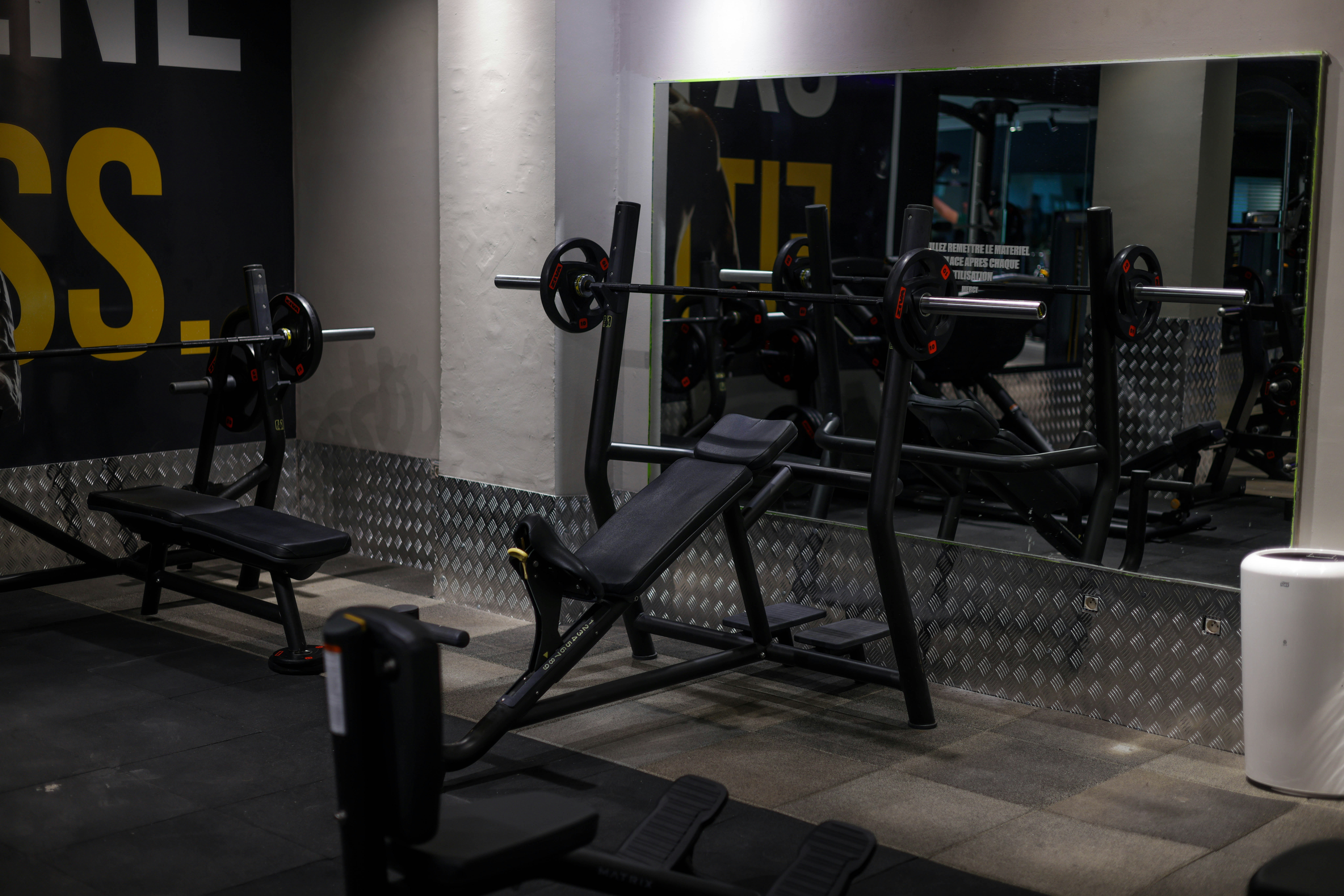
Understanding the Basics of Gym Workouts
For those new to fitness, understanding the essentials of gym workouts is crucial for setting a solid foundation in a fitness journey. The first step in any workout program is to establish clear fitness goals. Whether aiming to lose weight, gain muscle, or improve overall health, having specific targets helps to create a focused plan that can guide progress. Setting realistic, measurable, achievable, relevant, and time-bound (SMART) goals ensures that one remains motivated and is able to track improvements over time.
Another fundamental principle of gym workouts involves becoming familiar with the various types of training available. The primary categories include strength training, cardiovascular exercise, and flexibility training. Strength training is essential for building muscle and enhancing metabolic rate, which contributes significantly to weight management. Beginners should consider integrating compound movements such as squats, deadlifts, and bench presses, allowing for multiple muscle groups to be engaged simultaneously.
Cardiovascular training is equally vital, as it supports heart health and aids in calorie burning. Activities can range from running on a treadmill to cycling or swimming, and incorporating a variety can prevent boredom while boosting endurance. Finally, flexibility training, often overlooked, is important for injury prevention and improved range of motion. Stretching exercises, yoga, or Pilates can enhance flexibility, ensuring that individuals can perform daily activities with ease.
Understanding how these components work together is essential for a holistic approach to fitness. By intertwining strength training, cardio, and flexibility, beginners can cultivate a well-rounded gym regimen. This comprehensive approach not only supports physical health but also positively impacts mental well-being, fostering a balanced lifestyle. As one becomes more comfortable and knowledgeable within the gym environment, the likelihood of maintaining consistent workouts increases significantly.
Essential Gym Equipment for Beginners
For individuals embarking on their fitness journey, understanding the essential gym equipment is crucial. This section will cover various types of equipment that are particularly beneficial for beginners, allowing them to form a solid foundation for their workouts.
First, free weights are an integral part of any gym environment. They include dumbbells and kettlebells, which are versatile and can be used for a wide range of exercises. Beginners should focus on mastering basic movements such as squats, lunges, and presses with free weights. These weights help in enhancing strength and building muscle effectively while allowing for a range of movement that is not possible with machines.
Another essential equipment item is resistance bands. These bands come in various strengths, making them suitable for beginners and advanced users alike. They are particularly useful for adding resistance to bodyweight exercises, making movements such as push-ups or squats more challenging. Additionally, resistance bands can easily be transported and are a great option for home workouts.
Cardio machines, such as treadmills, stationary bikes, and elliptical trainers, are also fundamental for beginners aiming to improve their cardiovascular health. Engaging in regular cardio workouts can significantly enhance endurance and overall fitness levels. It is recommended for beginners to start with shorter durations and gradually increase intensity to avoid injury.
Bodyweight exercises such as push-ups, squats, and planks are equally important, requiring no equipment. They are fundamental for building foundational strength and stability, making them ideal for newcomers. These exercises can be performed anywhere and can easily be modified to suit individual fitness levels.
In conclusion, familiarizing oneself with essential gym equipment—free weights, resistance bands, cardio machines, and bodyweight exercises—is fundamental for beginners. By effectively utilizing these tools, beginners can lay a strong foundation for their fitness journey, ensuring a gradual progression towards their workout goals.
Creating a Balanced Workout Routine
Establishing a balanced workout routine is crucial for beginners aiming to achieve their fitness goals. A well-rounded regimen should integrate three essential components: cardiovascular training, strength training, and flexibility exercises. This holistic approach not only enhances overall fitness but also minimizes the risk of injury.
Cardiovascular workouts, such as running, cycling, or swimming, are instrumental in improving heart health and endurance. Aim for at least 150 minutes of moderate-intensity cardio each week, which can be achieved by breaking it into manageable sessions. For instance, a daily brisk walk for 30 minutes can significantly boost your cardiovascular fitness.
Alongside cardiovascular activities, strength training is paramount for building muscle and increasing metabolism. Beginners should incorporate strength exercises at least two times per week, covering all major muscle groups. Simple yet effective exercises, such as squats, push-ups, and dumbbell rows, can be performed with minimal equipment and in the comfort of one’s home. Start with lighter weights and gradually increase as your strength improves.
Flexibility training, often overlooked, plays an important role in a well-balanced routine. Engaging in activities like yoga or stretching post-workout can enhance the range of motion, prevent muscle stiffness, and improve recovery. Aim to include flexibility exercises three times a week, focusing on major muscle groups to maintain overall muscle health.
To effectively track progress, it is advisable to maintain a workout journal. Documenting each session, including the type of exercise, duration, and intensity, will provide insights into developments over time. Additionally, consider setting specific, measurable, achievable, relevant, and time-bound (SMART) goals to keep motivation high.
By carefully incorporating cardiovascular, strength, and flexibility training into your weekly routine, you will create a balanced approach that fosters consistent progress and enhances your overall fitness level.
Tips for Staying Motivated and Avoiding Common Pitfalls
Embarking on a fitness journey can be challenging, and maintaining motivation is critical for long-term success. One effective strategy to help sustain motivation is to enlist a workout buddy. Exercising with a friend not only makes workouts more enjoyable but also fosters accountability. When you have someone relying on you, you are less likely to skip a session, even on days when you may feel less motivated.
Another approach to maintain enthusiasm is to set achievable milestones. Instead of focusing entirely on long-term goals, break them down into smaller, more manageable targets. Celebrate each milestone to recognize your progress, such as completing a certain number of workouts or increasing the weight you lift. This continuous reinforcement keeps you engaged in your fitness journey and helps build a habit of regular exercise.
Additionally, it’s vital to address some common challenges that beginners often encounter. One significant concern is injury prevention. Beginners may push themselves too hard too quickly, leading to strains or other injuries that can derail their progress. It is essential to learn proper form and start with manageable weights. Investing in personal training sessions or utilizing instructional videos can promote safe techniques.
Another prevalent issue is gym intimidation. The gym environment can feel overwhelming for newcomers, particularly if it seems populated by experienced athletes. To combat this feeling, consider visiting during off-peak hours when the crowd is thinner. Familiarizing yourself with the equipment and layout ahead of time can also ease anxiety. Remember, every expert was once a beginner. Maintaining a positive mindset and focusing on your own journey can help you navigate through feelings of self-doubt.
In conclusion, staying motivated during your fitness journey involves finding supportive partners, setting realistic goals, and being aware of potential pitfalls. By following these tips, you can enhance your motivation and enjoy a successful gym experience.