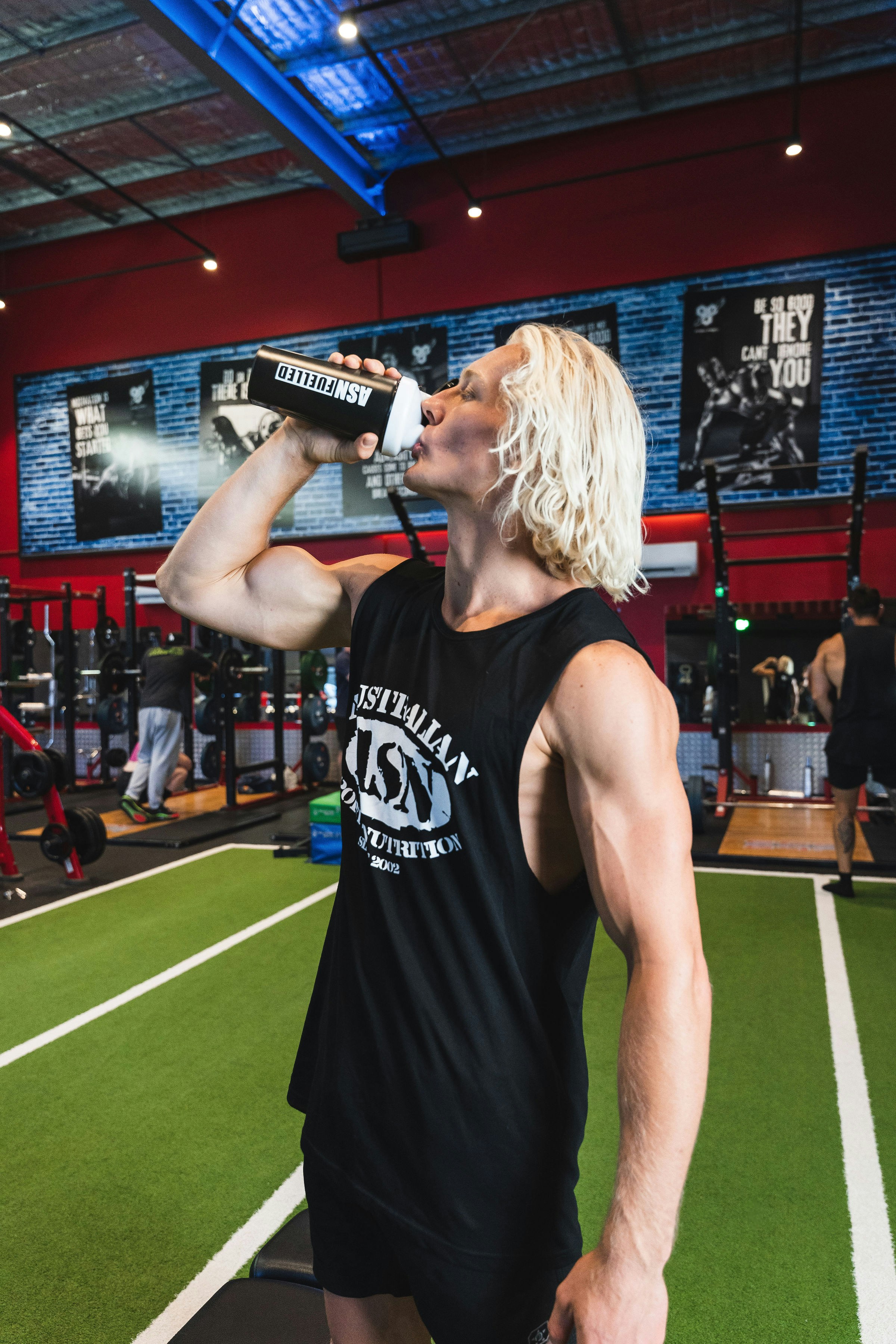
Understanding Protein Needs After Exercise
Protein plays a crucial role in muscle recovery and growth, particularly after engaging in physical exercise. During exercise, especially strength training or high-intensity workouts, muscle fibers experience micro-tears, which require repair and rebuilding. This process necessitates a sufficient intake of protein, as it provides the amino acids needed for muscle repair and synthesis.
It is essential to understand that protein needs can vary greatly based on several factors. Firstly, the intensity and duration of the workout significantly influence the amount of protein required. For instance, athletes and individuals who engage in prolonged resistance training typically need higher protein intake compared to those participating in moderate aerobic activities. Furthermore, individual goals, such as building muscle mass versus maintaining fitness, will dictate the protein requirements. Some studies suggest that active individuals may need approximately 1.2 to 2.0 grams of protein per kilogram of body weight, depending on their exercise regimen and overall objectives.
After exercise, there is an optimal window for protein consumption that aids recovery. Consuming protein within the first 30 to 60 minutes post-workout is often recommended. During this time, the muscles are particularly receptive to nutrients, and this period is known for its potential to enhance muscle recovery. While timing is important, the total daily protein intake remains the most critical factor in muscle recovery and growth.
Incorporating high-quality protein sources, such as lean meats, dairy, legumes, and protein shakes, can effectively meet post-exercise protein needs. These sources can help facilitate muscle repair and support overall recovery, preparing the body for future workouts. Understanding personal protein requirements and consumption timing can significantly benefit those engaged in regular physical activity, ensuring that they optimize their muscle recovery and growth potential.
Benefits of Protein Shakes for Recovery
After an intense workout, the body requires specific nutrients to restore and rehabilitate muscle tissues that are stressed during exercise. One of the most significant advantages of consuming protein shakes post-workout is their ability to facilitate muscle recovery efficiently. The high protein content in these shakes plays a crucial role in this recovery process, offering the body the essential amino acids required for rebuilding muscle fibers that may have been damaged.
Protein shakes are not only beneficial for muscle recovery but also contribute to reducing post-exercise soreness. This soreness, often referred to as delayed onset muscle soreness (DOMS), can deter individuals from maintaining their workout routine. By supplying the body with readily absorbable protein shortly after exercising, protein shakes can help minimize the severity of this soreness, enabling quicker recovery and a return to regular training schedules.
Moreover, the convenience of protein shakes cannot be overlooked. After a workout, many individuals may not have the time or inclination to prepare a full meal. Protein shakes offer a portable and quick solution, allowing for an easy intake of necessary nutrients without the hassle of cooking or meal prep. Whether at the gym, at home, or on the go, protein shakes can deliver a fast dose of protein, promoting muscle recovery whenever needed.
In addition to the speed of absorption, protein shakes may also provide access to other important nutrients that are vital for recovery. Many protein powders include additional vitamins, minerals, or even carbohydrates, all of which can enhance the recovery process. Overall, the incorporation of protein shakes into a post-workout routine can greatly improve recovery outcomes, ensuring that individuals are prepared for their next training session.
Natural Sources vs. Protein Supplements
When considering post-workout recovery, individuals often debate between whole food sources of protein and protein supplements, such as shakes. Each option comes with its advantages and disadvantages, impacting recovery and overall nutrition.
Whole food sources of protein, including chicken, fish, eggs, beans, and lentils, offer a variety of essential nutrients in addition to protein. These foods not only contribute to muscle repair but also provide vitamins, minerals, and dietary fiber that are vital for overall health. For instance, the amino acids found in these foods aid in muscle synthesis, and the presence of micronutrients supports metabolic functions. However, the preparation time and the necessity to have these foods readily available may pose challenges for some individuals.
On the other hand, protein supplements, particularly shakes, have gained popularity due to their convenience and quick preparation. They are often easily digestible, allowing for rapid absorption post-exercise, which can be beneficial for muscle recovery. Protein shakes are typically enriched with various ingredients, such as branched-chain amino acids (BCAAs), which further aid muscle repair. That said, protein supplements can be expensive, and reliance on them may lead to neglecting whole food sources, potentially resulting in a less balanced diet. Additionally, some shakes may contain added sugars and artificial ingredients that are not ideal for overall health.
Ultimately, the choice between natural protein sources and protein supplements is contingent upon individual preferences, dietary restrictions, and lifestyle. High-protein foods such as Greek yogurt, quinoa, and cottage cheese present excellent alternatives to traditional protein shakes, providing diverse ways to meet protein needs post-workout without solely depending on supplements. Each option presents its own unique benefits, thus evaluating personal goals and nutritional requirements is essential for optimizing post-workout recovery.
When You Might Not Need a Protein Shake
While protein shakes are popular among fitness enthusiasts, there are specific scenarios where their consumption may not be necessary. One primary situation is when individuals adequately meet their protein requirements through a balanced diet consisting of whole foods. Foods such as lean meats, fish, dairy products, beans, and legumes can provide ample amounts of protein, making supplemental shakes redundant. This is particularly true for those who prioritize a diet rich in diverse protein sources, ensuring they receive not only sufficient protein but also essential nutrients.
Additionally, the intensity of exercise plays a crucial role in determining the need for a protein shake. For individuals engaging in light to moderate activity, such as walking or casual cycling, the body generally requires less protein compared to those involved in rigorous training sessions. In these cases, whole foods can sufficiently support recovery and muscle maintenance without the need for protein supplementation. Listening to one’s body and assessing the level of exertion can guide decisions regarding protein intake.
Moreover, an excessive intake of protein—whether through shakes or other means—can lead to various health concerns. Consuming high amounts of protein can strain the kidneys over time and may result in imbalances, particularly if other nutrients are neglected. It is essential to emphasize overall dietary balance rather than fixating on a single macronutrient. Achieving nutritional harmony is vital for long-term health and wellbeing.
Incorporating meals rich in protein, carbohydrates, and healthy fats supports recovery and enhances performance without solely relying on protein shakes. By prioritizing whole foods and balanced meals, individuals can meet their fitness goals more effectively and sustainably.